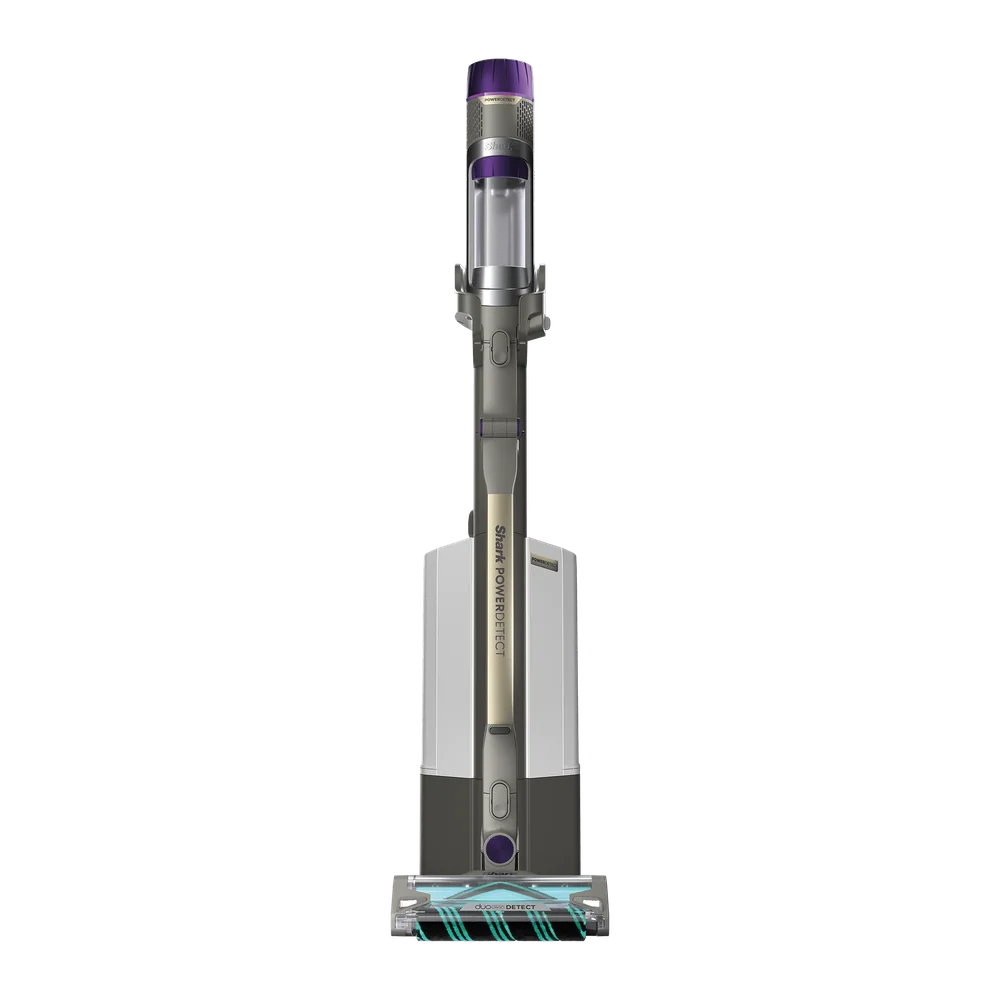
How to Empty a Cordless Vacuum Bin Without Making a Mess
Published
The technique that keeps dust from puffing back into your face and your kitchen when you empty a cordless vacuum's bin.
Emptying a cordless vacuum bin sounds like it shouldn't require instructions, until you press the release button over an open trash can and a cloud of fine dust billows straight back at you. That reaction is common enough that it's worth understanding why it happens and how to avoid it. The good news is that a few small changes in technique, not extra tools or money, make the difference between a clean five-second dump and a dust cloud that settles on your counter. Getting this right also matters for suction, since a bin that isn't emptied fully or often enough starts choking airflow well before it looks full.
Reading time: 7 minutesBest for: Anyone tired of dust clouds when emptying their cordless vacuum, especially those sensitive to dust or allergens
Why dust puffs back out
When you release the bin's bottom flap, the fine dust that's been packed in by suction is suddenly free to move, and any air displaced by the falling debris has to go somewhere. If the bin is held too close to the surface of the trash bag or can, that displaced air bounces back up and carries fine particles with it, which is the puff you feel on your face and forearms.
Larger debris like crumbs and pet hair mostly falls straight down without issue, but the finest dust, the stuff too light to feel but easy to breathe, is what escapes. This is also the dust most likely to be irritating to allergies or asthma, so understanding the mechanism helps explain why technique matters more than just holding your breath and hoping for the best.
Emptying over a trash bag correctly
Hold the bin further above the trash bag or can opening than feels natural, roughly at arm's length, rather than right at the rim. This gives displaced air more room to disperse before it has anywhere to bounce back toward you. Release the bottom flap slowly rather than snapping it fully open, which lets debris fall in a controlled stream instead of one sudden burst of air and dust.
Emptying outdoors or near an open window adds another layer of protection, since any dust that does escape has somewhere to go besides your kitchen air. If you're emptying indoors, doing it directly into a trash bag you can cinch closed immediately afterward, rather than an open bin, traps residual dust before it settles on nearby surfaces.
Handling fine dust and allergens
If you or someone in your household deals with allergies or asthma, wearing a basic dust mask while emptying the bin isn't overkill, it's a reasonable precaution given how fine and irritating vacuum dust can be. This matters more with vacuums that pick up a lot of pet dander or have been used on carpet, since that debris tends to be finer than what you'd sweep off a hardwood floor.
Some vacuums include a bin with a bottom-emptying design specifically meant to reduce hand contact with the dust and minimize the puff-back effect, as opposed to older top-opening designs where you're reaching directly into the debris. If allergies are a real concern in your household, this is a feature worth paying attention to when comparing models, since it changes how much dust exposure emptying actually involves.
Rinsing the bin without damaging seals
Most cordless vacuum bins are rinseable, but that doesn't mean submerging the whole assembly in water. Many bins have foam filters or seals connected to them that shouldn't get soaked, since trapped moisture in foam can lead to mold or a musty smell that's hard to get rid of. Check what's actually removable before you run water over anything.
Rinse the clear plastic bin itself under a light stream of water, using a soft brush if needed to dislodge stuck debris from the corners, and avoid harsh scrubbing near any rubber gaskets or seals that keep suction airtight. Those seals are doing real work keeping the vacuum's suction consistent, and damaging them with abrasive cleaning tools can quietly reduce performance in a way that's hard to diagnose later.
What this guide helps you understand
The puff-back you get from emptying a vacuum bin is caused by displaced air, and holding the bin further away with a slow, controlled release fixes it without any extra equipment.
A trash bag you can hold at arm's length while emptying
A soft brush for rinsing stuck debris out of bin corners
A day of drying time before reassembling any rinsed parts
Technique notes
A dust mask is a reasonable precaution for allergy-prone households, not an overreaction.
Emptying after every session keeps suction more consistent than waiting for the bin to look full.