
Pickori

Use-Case Guide

Which Cordless Vacuum Attachment to Use for Each Job

A practical breakdown of what each attachment actually does so you stop reaching for the wrong tool.

Most cordless vacuums come with two or three attachments still sitting in the box, still wrapped, months after purchase. That's a waste, because the right attachment often does the job three times faster than forcing the main floor head into a spot it wasn't built for. Think of attachments less as bonus accessories and more as specialized tools for specific surfaces. A crevice tool and a motorized mini brush solve completely different problems, and using one for the other's job usually means more passes and less dirt actually removed.

Reading time: 8 minutesBest for: Anyone who owns a cordless vacuum with swappable attachments and wants to use them properly
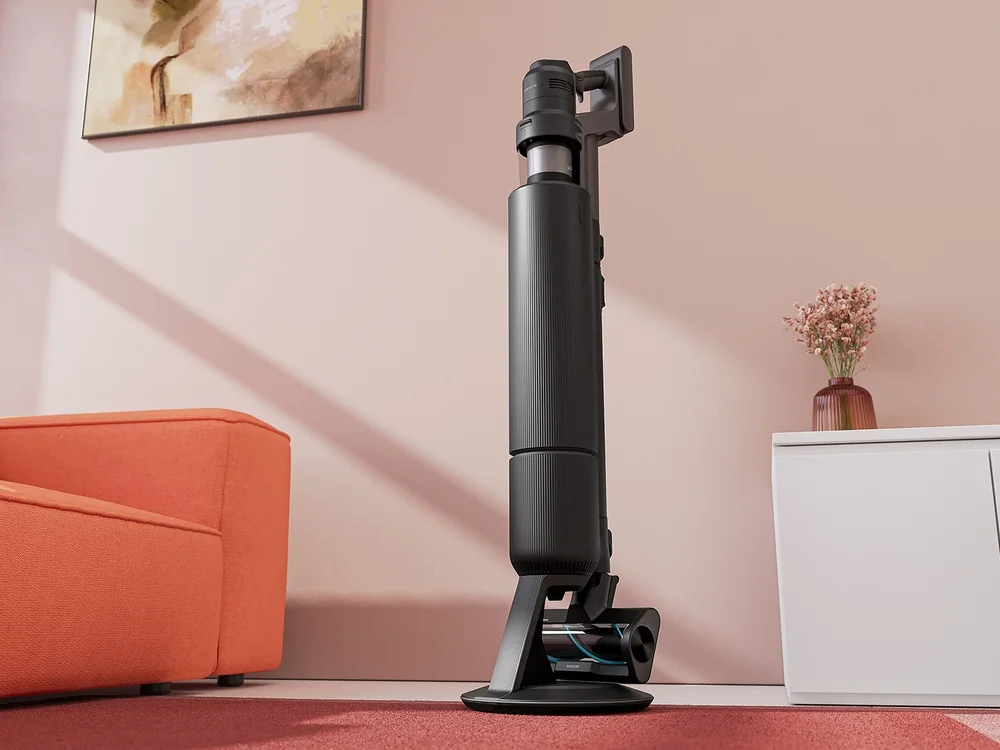
Samsung Bespoke Jet AI Ultra Cordless Stick Vacuum

Crevice tool for tight edges

This narrow, flattened nozzle is built to get into baseboards, along couch cushions, and into the gap between the fridge and the counter. It sacrifices width for reach, so it's not meant for open floor space, only the narrow strips regular heads skip over entirely.

Run it slowly along edges rather than fast, since narrow airflow paths pick up less per pass than a wide floor head. If you're finding dust building up along your baseboards week after week, that's usually a sign the crevice tool isn't part of your regular routine, not a sign your vacuum lacks suction.

Upholstery brush for furniture

This wide, flat brush with short bristles is designed to loosen surface debris on couches and mattresses without damaging fabric. It's gentler than the main roller head, which is built for floors and can be too aggressive or too bulky for furniture.

Use light pressure and overlapping passes rather than pressing hard in one spot, since fabric weave can trap debris that needs agitation more than force. Skip this attachment on delicate upholstery unless the vacuum's suction has an adjustable low setting, since strong suction can pull at loose threads or stretch some fabric types.

Motorized mini brush for stairs and cars

This compact attachment has its own small spinning brush roller, giving it agitation power similar to the main floor head but in a size that fits stair treads and car seats. It's the only attachment strong enough to pull embedded dirt and pet hair out of upholstered surfaces rather than just skimming the top.

It draws more battery than a passive attachment, so expect shorter runtime when you use it heavily. For stairs specifically, it's worth the tradeoff because a passive brush usually can't dig hair out of stair carpet the way this one can.

Soft roller for bare floors

A soft roller swaps stiff bristles for a fabric or foam-covered roller that picks up fine dust and larger debris without scattering it, which stiff bristled rollers often do on hardwood or tile. It also reduces scratching risk on hard flooring compared to a bristled roller built for carpet.

If your vacuum came with only one head and you have both carpet and hardwood, a soft roller add-on is one of the more useful upgrades you can buy separately. Using a carpet-designed roller on hardwood every day tends to push dust and crumbs forward instead of collecting them, which is a common complaint people mistake for weak suction.

What this guide helps you understand

Match the attachment to the surface, not the other way around: forcing a floor head or the wrong brush onto furniture, stairs, or edges usually means more passes for less dirt removed.

Check which attachments your model actually includes before assuming you're missing one
Store attachments somewhere visible and close to the charging dock

Technique notes

Motorized attachments drain battery faster than passive ones, so plan stair or car cleaning before your charge gets low

More cordless vacuums help

As an Amazon Associate I earn from qualifying purchases.

← Back to Cordless Vacuums