Explore Smart Tvs for more buying guides, in-depth reviews, comparisons, and practical advice.
The best smart TV for most people balances picture quality, screen size, responsive software, and price. We ranked these models from the strongest overall recommendation downward, while explaining when an OLED, Mini LED, budget, gaming, or small-room TV may be the better fit.
Pickori may earn a commission from affiliate links.
1
Best overall
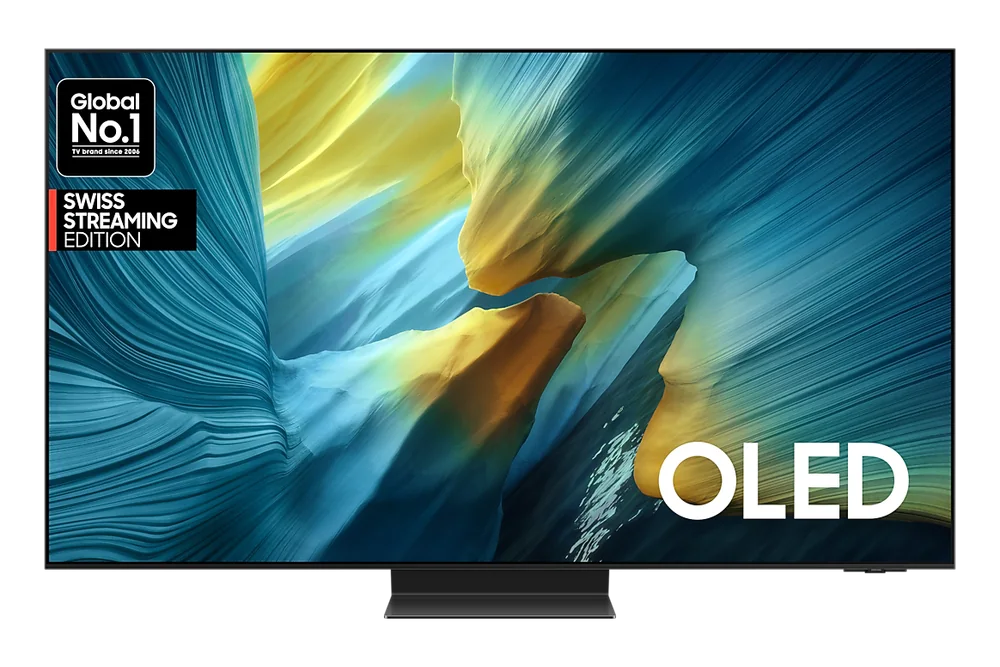
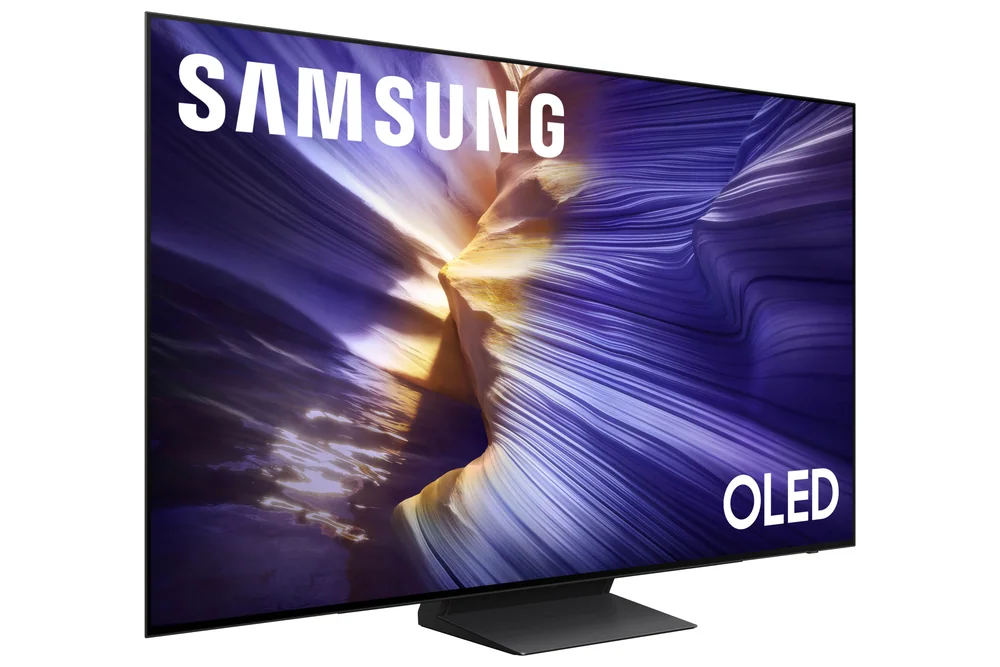
Samsung S95H OLED
This is the set that gets recommended across the board for a reason: it pairs OLED's contrast with unusually high brightness for the panel type, which matters more than people expect once you actually watch it during the day. Independent testing has flagged its HDR color accuracy as a weak point, so if you're the type who nitpicks skin tones in nature documentaries, know that going in. It's also been singled out as one of the better gaming displays on the market right now, which broadens its appeal beyond movie night. For most households replacing an aging TV, this is the pick that balances brightness, contrast, and everyday usability without asking you to accept a real downside anywhere else.
Bright enough for daytime viewing, unusual for an OLED panel
Strong gaming performance noted independently
HDR color accuracy is a documented weak spot, not a dealbreaker for most viewers
Available across a wide size range, so the pick scales from a bedroom to a living room
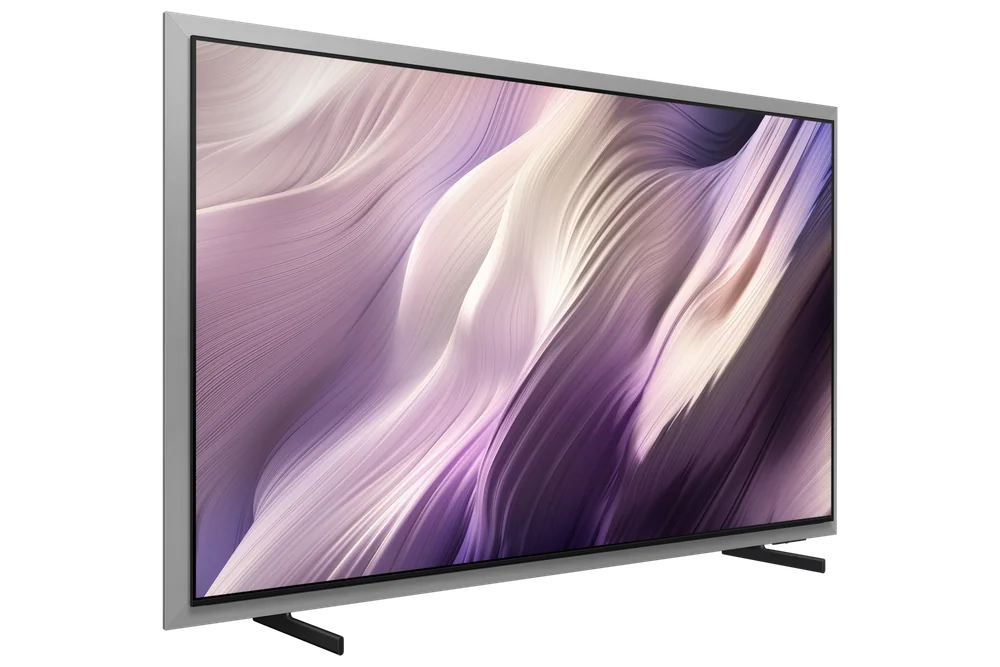
Think of the S95F as the previous flagship still doing flagship things. It carries the same OLED DNA as Samsung's newer set but at a size and configuration that's easier to slot into a smaller room. Buyers who don't need the very latest AI processing tricks get most of the picture quality benefits for a more contained footprint. The trade-off is that this isn't the newest silicon in Samsung's lineup, so anyone chasing the newest smart features should look at rank one instead.
55-inch sizing fits rooms where a larger OLED wouldn't make sense
Shares core OLED picture quality advantages with Samsung's current flagship
A generation behind Samsung's newest processing, which matters most for AI-driven features
LG's C-series has been the default recommendation for OLED shoppers for years, and the C5 carries that reputation forward into 2026 even as LG has already started previewing its successor. That timing is worth noting: buying into the C5 now means buying at the tail end of its cycle rather than the front. Still, this is a platform LG has refined repeatedly, and the smart interface and evo panel tuning reflect that maturity. For someone who wants proven OLED performance without paying flagship pricing, this remains a sound landing spot. Choose it if you want a dependable, well-understood OLED experience rather than the newest thing on the shelf.
Benefits from years of LG's OLED platform refinement
Positioned as a value alternative as LG's lineup moves on to newer models
Not the newest generation, so expect the eventual successor to draw feature comparisons
The S90F sits a notch below Samsung's top-tier panel, and that positioning is exactly the point. It's built for buyers who want OLED contrast and Samsung's smart ecosystem without paying for the brightest possible panel Samsung makes. That means slightly less headroom in very bright rooms, but for a room with normal light control, the difference is unlikely to bother most people. It's a sensible step down for anyone who priced out the S95 line and wants to spend less without leaving OLED behind.
Delivers OLED contrast at a step below Samsung's flagship positioning
Best suited to rooms with moderate ambient light rather than bright, sun-facing living rooms
Shares Samsung's smart platform with the higher-tier models
For a household already living inside Amazon's ecosystem, a Fire TV-native mini-LED set removes a layer of friction that other brands never quite solve: no separate streaming box, no awkward remote juggling. The mini-LED backlighting gives it a meaningfully brighter, more contrast-capable picture than a basic LED panel, which is the main reason it works especially well over generic budget sets. It won't match OLED's per-pixel contrast, so anyone coming from an OLED set will notice the difference in dark scenes. But as a first smart TV or a secondary-room upgrade, it does its job without asking for OLED money.
Mini-LED backlighting improves contrast over standard LED panels
Fire TV integration is the practical selling point for Amazon households
Dark-scene performance won't match OLED, a real limitation for movie-focused buyers
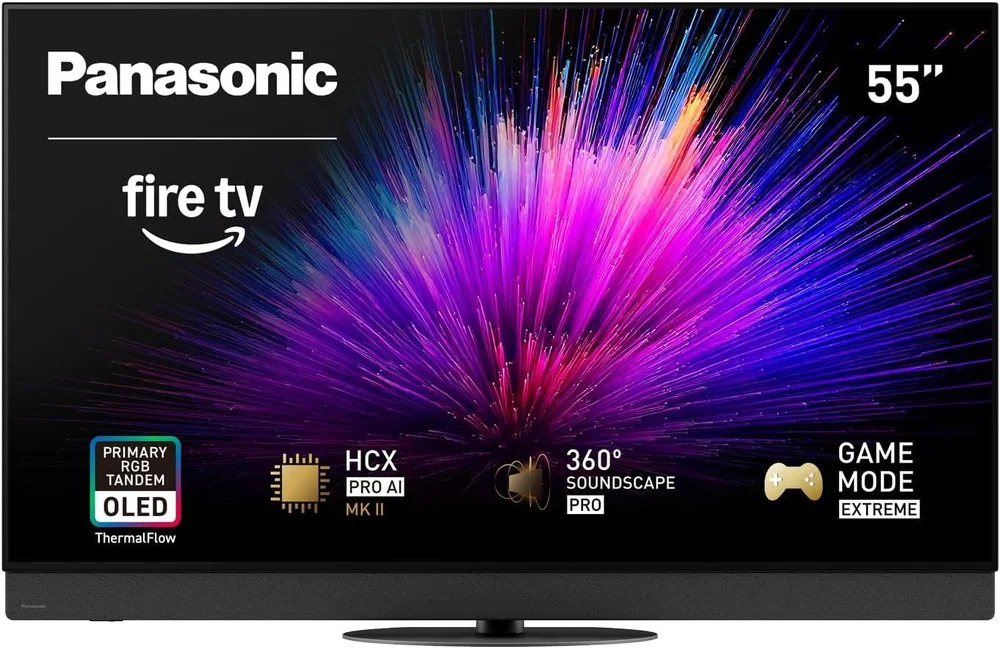
Panasonic has built its reputation less on smart-platform bells and whistles and more on getting the fundamentals of picture and sound right, and the Z95B keeps that tradition alive. It's the kind of TV a home theater enthusiast picks specifically because the calibration out of the box already leans toward accuracy rather than showroom punch. That same restraint means it won't dazzle casual shoppers comparing brightness numbers on a store floor. If your priority is faithful reproduction of a film the way its colorist intended, this earns real consideration even outside the top spots.
Positioned around picture and audio fidelity rather than showroom brightness
Appeals most to viewers who prioritize accurate color over punchy defaults
Less flashy than competitors focused on peak brightness numbers
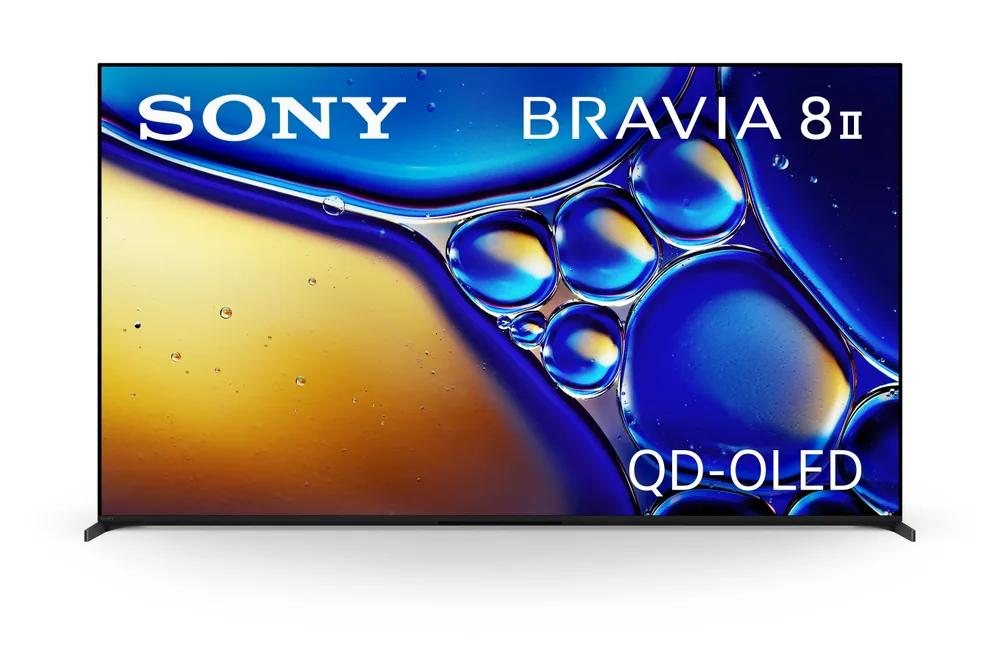
Sony's processing has long had a reputation for handling motion and color grading the way filmmakers intend, and pairing that with QD-OLED technology gives this set a distinct identity among the OLEDs. It's aimed squarely at people who watch a lot of theatrical content and care about how a scene is supposed to look, not just how bright it can get. That focus comes at the cost of some of the flashier smart-platform extras competitors lean on. If film-accurate rendering is the priority, it works especially well even though it sits lower on the broader recommendation list.
QD-OLED panel technology paired with Sony's film-oriented processing
Strong fit for viewers who prioritize cinematic accuracy over brightness specs
Smart platform extras take a back seat to picture processing here
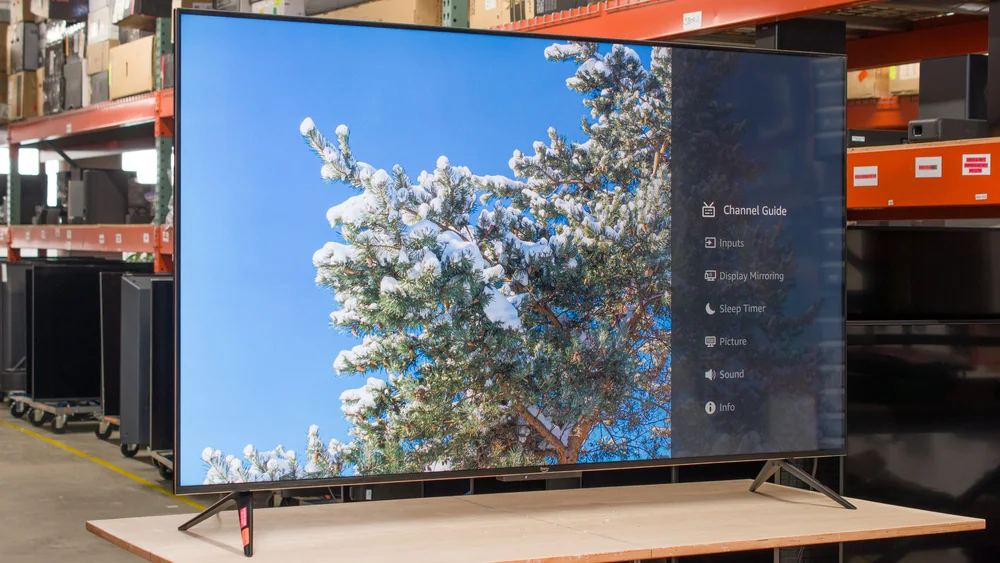
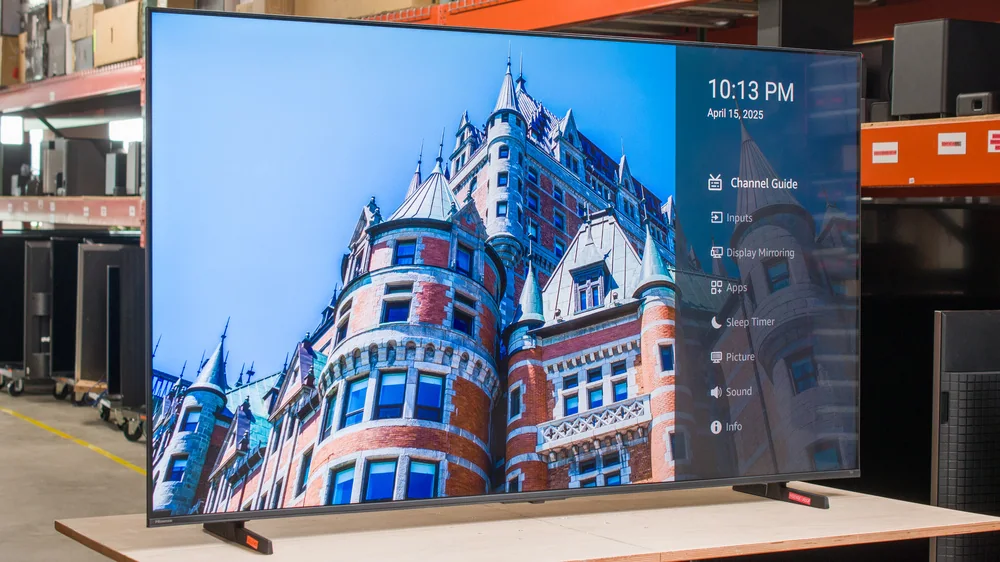
The U65QF is the clearest evidence that budget doesn't have to mean compromised: it earned recognition specifically for picture quality among budget-tier sets, and the jump from 60Hz to 144Hz with VRR and AMD FreeSync Premium Pro is a real upgrade over its predecessor, not a marketing footnote. Brightness and color performance are both noted as meaningfully improved over the previous U6N generation. The design is intentionally plain, which is fine if you're mounting it and moving on. For anyone whose main goal is picture quality per dollar rather than a showpiece design, this is the practical choice.
Refresh rate jumps from 60Hz to 144Hz with VRR and AMD FreeSync Premium Pro over the prior generation
Noted improvements in brightness and color versus its predecessor, the U6N
Plain, unassuming design that prioritizes function over showroom appeal
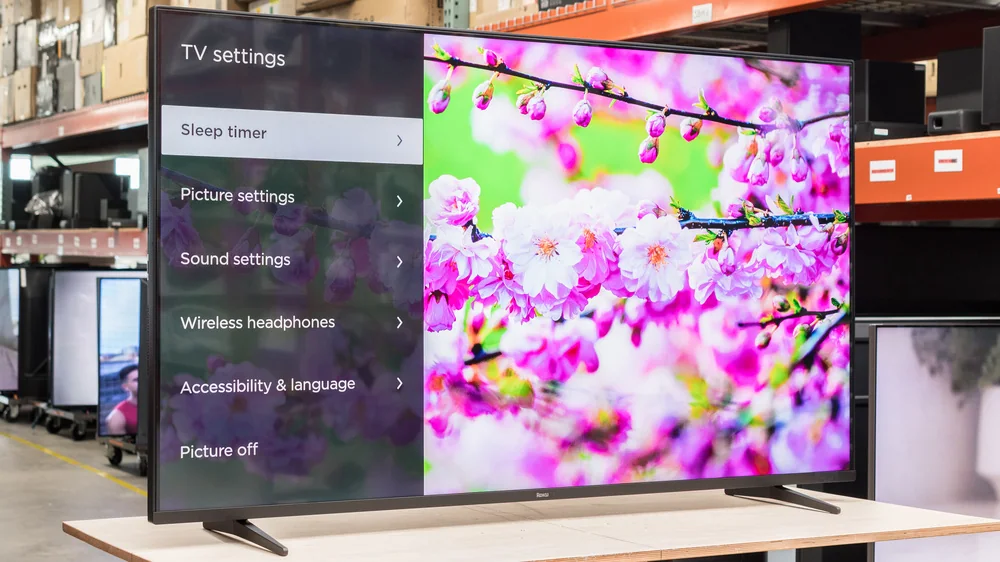
If your main frustration with smart TVs is the interface itself, the Roku Pro Series solves that more directly than picture quality alone would suggest. It's a 4K mini-LED QLED set with a 120Hz refresh rate, VRR, and AMD FreeSync Premium Pro, and testing has shown less than a frame of lag at 120Hz, a genuinely useful number for casual gamers. The remote finder feature is a small thing until the day you actually need it. Worth knowing before you commit: a Google TV-powered Hisense U8QG at a similar price point has been noted to look even better and offer a higher 165Hz refresh rate with built-in spatial audio, so this pick is really about preferring Roku's simplicity over chasing the best possible spec sheet.
Tested at under a frame of lag at 120Hz, a strong result for casual gaming
Remote finder and AirPlay support add everyday convenience
A similarly priced Google TV competitor reportedly offers a higher refresh rate and better speakers
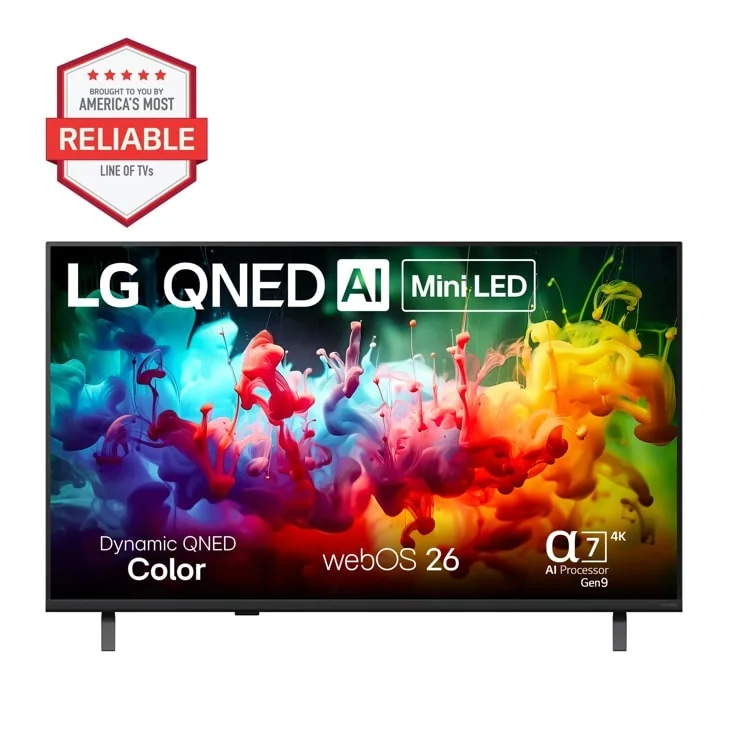
LG QNED 4K Mini‑LED Smart TV (2026 midrange series)
This one sits at the list's edge for a straightforward reason: solid documentation on this specific midrange series is thinner than on the sets above it. What's clear is that it fits LG's established pattern of putting mini-LED backlighting behind QNED filtering to chase OLED-like contrast at a lower price, a formula LG has used successfully in other tiers. Treat it as a reasonable option if you want an LG smart platform without OLED pricing, but go in with modest expectations and verify current specs before buying, since this series' exact standing versus LG's OLED lineup isn't as well established as the picks above it.
Uses LG's mini-LED plus QNED approach to chase OLED-like contrast at lower cost
Fits buyers who want LG's smart platform without OLED-tier pricing
Less independently documented than the OLED options above it, so verify current specs before buying
Not universally. OLED wins on per-pixel contrast and dark-room viewing, but mini-LED sets like the Hisense U65QF or Amazon Ember can get brighter for less money, which matters more in sunlit rooms.
Which TV is best for gaming?
The Samsung S95H has been noted for strong gaming performance, and the Roku Pro Series has been measured at under a frame of lag at 120Hz, so both are reasonable picks depending on your budget.
Do I need the newest model, or is a prior-generation flagship fine?
A set like the LG C5 or Samsung S95F offers most of the picture quality of the newest flagships at a friendlier price, as long as you're not chasing the latest AI processing features specifically.
What's the real trade-off with budget smart TVs?
Usually contrast and peak brightness in tricky lighting, plus sometimes plainer industrial design. The Hisense U65QF narrows that gap more than most budget sets by improving brightness, color, and refresh rate over its predecessor.
Should I worry about buying a smart TV during a platform transition?
It's worth noting when a manufacturer has already begun previewing a successor, as with LG's C-series. It doesn't make the current model a bad buy, but it does mean you're buying at the value end of that model's life cycle rather than the front.