
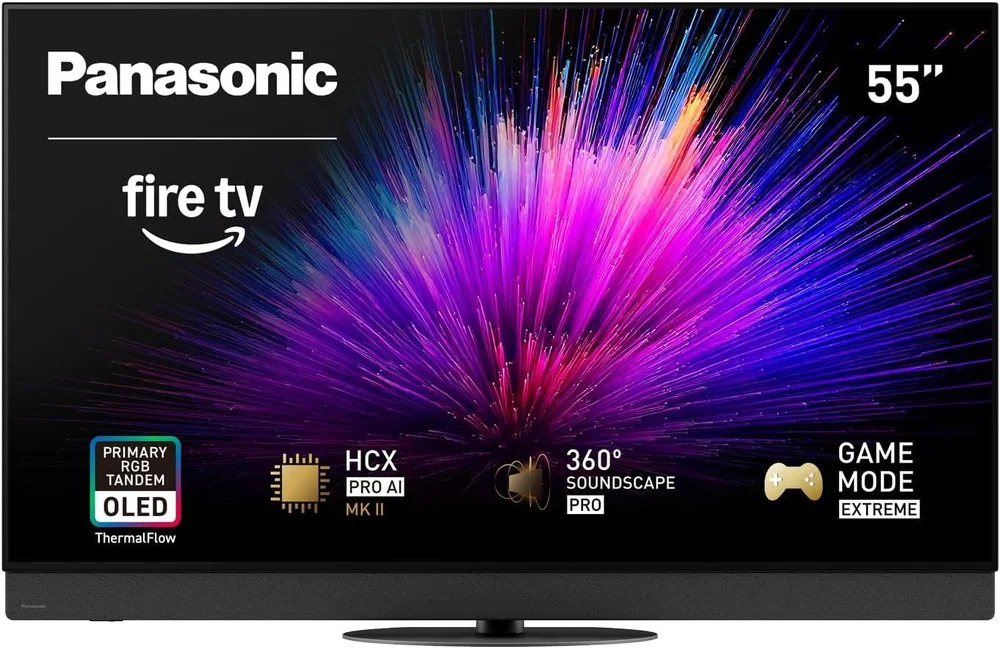
What to know first
- New Primary RGB Tandem OLED panel is a manufacturer-specified 40 percent more light-efficient, translating to a visibly brighter, more colorful image than last year's Z95A
- One independent review rated the picture near-flawless: perfect blacks, strong glare reduction, and improved upscaling
- Built-in 360-degree sound with Dolby Atmos was called the best onboard TV audio one reviewer heard all year, though DTS:X isn't supported
- Only two HDMI 2.1 ports, and one doubles as the eARC connection, so a soundbar and a next-gen console can't both get full bandwidth
- Fire TV smart platform was flagged as cluttered and occasionally slow over Wi-Fi, with a non-backlit remote weighted toward Amazon shortcuts
- Supports 144Hz refresh, AMD FreeSync Premium, and Nvidia G-Sync compatibility for serious gaming setups
Panasonic's return to the OLED top table
Panasonic spent years mostly absent from the US TV conversation while Samsung, Sony, and LG fought over the flagship OLED crown. The Z95B changes that math. It uses the same RGB Tandem panel technology found in LG's high-end G5, but Panasonic pairs it with its own ThermalFlow cooling system, a chassis design borrowed conceptually from race car airflow management, built to keep that brighter panel running at peak output without overheating.
The Z95B comes in 55, 65, and 77-inch sizes, with the 55-inch model weighing 23.5 kg with its stand and the 77-inch topping out at 50.0 kg, according to Panasonic's own specifications. Those are real numbers to plan a wall mount or console around, not marketing fluff: a 77-inch panel at 50 kg needs a stud-anchored mount or a stand rated for the weight, not a floating shelf.
This isn't a budget OLED playing dress-up. It's Panasonic aiming squarely at the same buyer who's cross-shopping a Samsung S95H or an LG G5, and on picture quality alone, it holds its ground.
The picture an independent test called near-flawless
The headline reason to want this TV is the panel. One independent evaluation described the Z95B's image quality and screen uniformity as near-flawless, citing perfect black levels, strong glare reduction, high-end color rendering, and improved shadow detail and upscaling compared to prior Panasonic sets. That is strong praise from a single reviewer for a TV aimed at dark-room movie watching.
Panasonic's own claim, that the four-layer RGB Tandem panel structure boosts light efficiency by 40 percent, is a manufacturer specification rather than an independent measurement, but it explains why the picture reads brighter and punchier than the outgoing Z95A without giving up OLED's inky blacks. In practice that translates to HDR highlights, a flash of sunlight through a window, a lightsaber blade, that pop harder against dark scenes instead of blooming or looking washed out.
Sound is the other surprise. The Z95B's built-in 360-degree speaker array, tuned with Technics involvement and supporting Dolby Atmos, was called the best onboard audio one reviewer heard from any TV all year. For a buyer who doesn't want a soundbar cluttering the console or a separate speaker system to configure, that's a genuine reason to consider skipping outboard audio altogether, something few flagship TVs let you do credibly.
It also supports every major HDR format, Dolby Vision and HDR10+ both, which not every premium rival bothers to include. If your streaming library is split across services with different HDR preferences, the Z95B won't leave any of it stranded.
Living with Fire TV on a flagship screen
Setup itself is straightforward. The swivel stand ships as a single piece and reportedly took only a handful of screws to attach and stabilize even the 65-inch model, a small but real convenience if you're setting this up solo rather than wrestling a second pair of hands into the room.
Daily use is where the tension shows up. The built-in Fire TV interface limits the homescreen to six streaming apps at a time before you're digging through a drop-down menu, and one review reported apps loading slowly or freezing over Wi-Fi, with the problem clearing up on a wired Ethernet connection. If your router isn't near the TV, that's a real planning issue: budget for a long Ethernet run or a powerline adapter rather than assuming Wi-Fi will behave.
The remote doesn't help. It skips backlighting, has no dedicated input button by default, and hands two of its four shortcut keys to Amazon services. Even the game bar has to be manually assigned to a spare button to get quick access. None of this breaks the TV, but it does mean the ownership experience depends heavily on whether you're comfortable working around a smart platform rather than enjoying it.
Gamers get a genuinely strong toolkit regardless of the interface gripes: a built-in game bar, 144Hz refresh support, and compatibility with both AMD FreeSync Premium and Nvidia G-Sync. The limitation is wiring, not features, since only two ports carry HDMI 2.1, and one of those doubles as the eARC connection for a soundbar.
Two HDMI 2.1 ports and an ad-heavy remote
The port count is the practical catch for anyone running a full home theater setup. With only two HDMI 2.1 inputs, and one of them tied up for eARC if you connect an outboard sound system, a household with a current-gen console and a separate AV receiver or soundbar will run out of high-bandwidth ports fast. Plan on using the TV's own audio system, which is strong enough to make that trade-off less painful than it sounds, or accept that a second console might have to settle for a non-2.1 port.
The other honest caveat is Fire TV itself. It's fast to navigate day to day and its screensavers look genuinely good, but the ad-forward homescreen and Amazon-centric remote are a mismatch for a TV this expensive. If Panasonic's audio and picture were mediocre, this would sink the review. Because they're not, it reads more as a known compromise: excellent hardware wrapped in software Panasonic didn't build to match it.
DTS:X support is also absent, which matters mainly if you're feeding the TV audio from Blu-ray discs or a library encoded that way. Dolby Atmos coverage is solid, so this is a narrow gap rather than a dealbreaker for most streaming-first households.
The specs that matter
This is the same core panel family used in LG's high-end G5, giving Panasonic brightness and color volume that were previously reserved for the very top of the OLED market.
This manufacturer figure explains why HDR highlights look punchier than on last year's Z95A without OLED losing its deep black levels.
Fast-paced games and sports look smoother and tear-free, a real upgrade over a standard 60Hz set during quick camera pans or competitive play.
Limits how many high-frame-rate devices, like a next-gen console and a soundbar, can run at full capability simultaneously. Plan your gear around this before buying.
Covers both major HDR camps used across streaming services, so you won't lose HDR benefits switching between Netflix, Amazon, and other apps.
Strong enough that some buyers can skip a soundbar entirely, though disc-based audio in DTS:X won't get full support.
Confirms the set is manageable for one or two people to mount without professional installation, unlike the larger sizes.
At this weight, wall mounting requires a mount rated for the load and studs that can bear it, not a lightweight bracket.
Who this product fits
The movie-night household with a dark living room
The Z95B's near-flawless black levels and glare handling, as measured by an independent review, make it well suited to a dedicated home theater or a room where you actually dim the lights. Dolby Vision and HDR10+ support means whatever streaming service you favor gets full HDR treatment.
The gamer with one console and no separate monitor
144Hz refresh, FreeSync Premium, and G-Sync compatibility give a single console or gaming PC a smooth, tear-free picture. Just don't plan on running two HDMI 2.1 devices, like a console and a high-end soundbar, at full spec simultaneously.
The buyer who hates fiddling with TV software
If a cluttered Fire TV homescreen and an ad-heavy remote sound exhausting, add a Roku or Apple TV streaming stick to the budget.
What else to compare
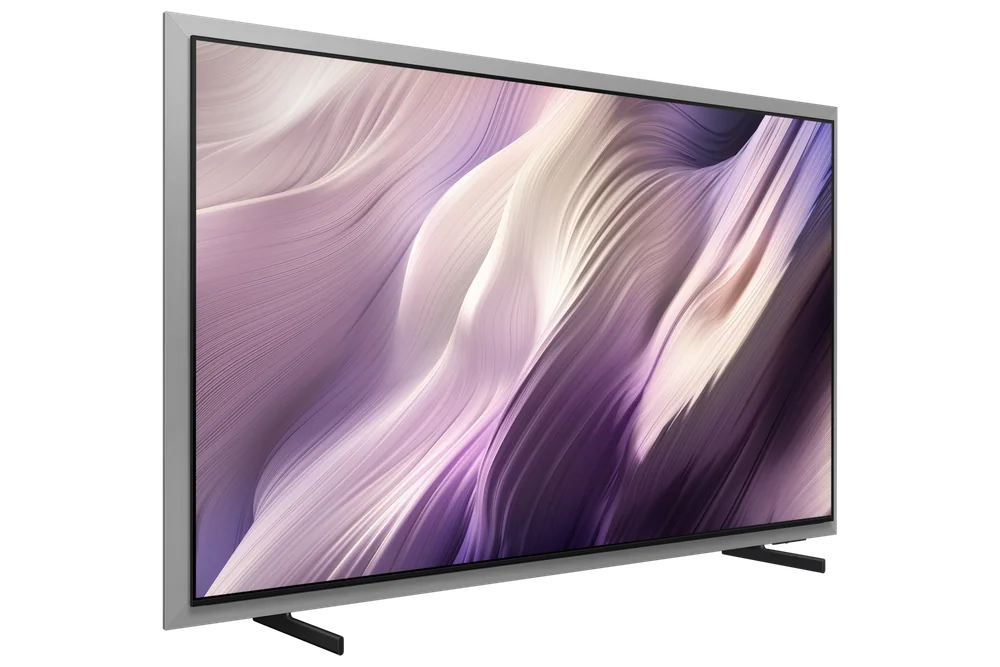
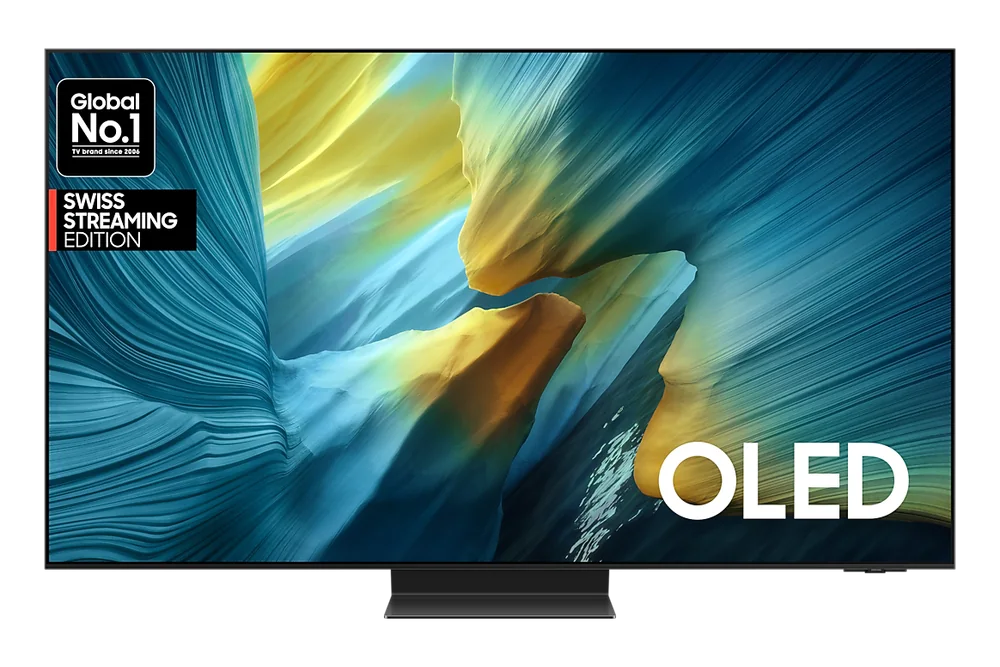
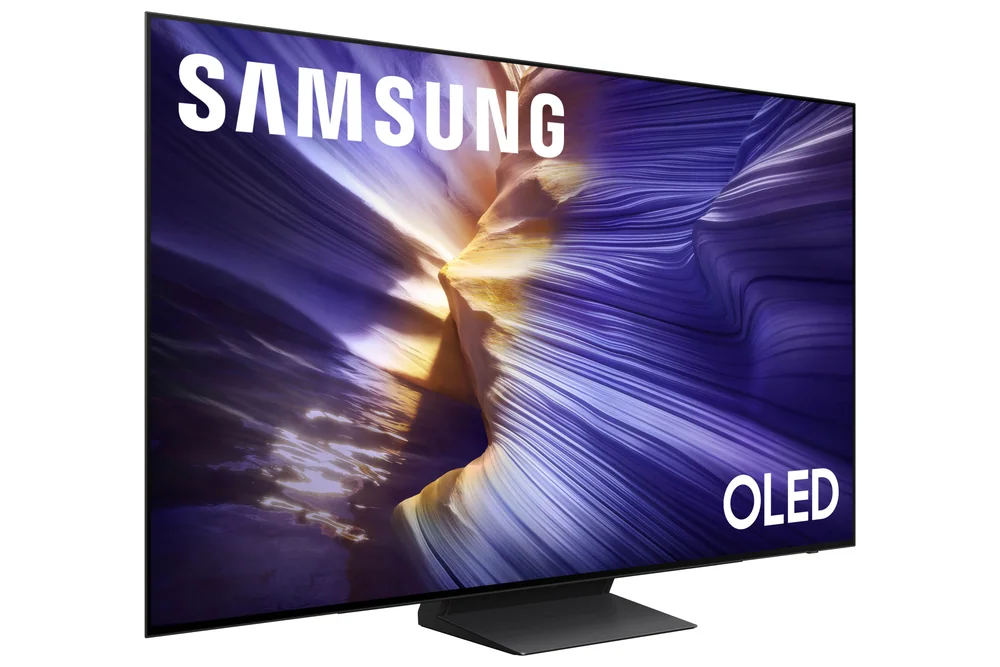
A few other flagship OLEDs are worth cross-shopping before committing to the Z95B.

Panasonic Z95B OLED TV FAQ
Is the Panasonic Z95B better than the LG G5?
Both use RGB Tandem OLED panel technology and deliver comparably excellent picture quality according to independent evaluation. The real difference for most buyers will be smart platform preference: Fire TV on the Z95B versus LG's webOS, plus how each brand's built-in audio and gaming features fit your setup.
Does the Panasonic Z95B support Dolby Vision and HDR10+?
Yes, it supports both major HDR formats, which is notable since some premium competitors skip one or the other. That coverage means you get full HDR benefit across most streaming services without checking compatibility first.
How many HDMI 2.1 ports does the Z95B have?
Two, and one of them also serves as the eARC connection for a soundbar or receiver. If you're running a next-gen console alongside outboard audio, you'll want to plan which devices actually need the full-bandwidth ports.
Is the Fire TV interface on the Z95B a dealbreaker?
It's a real limitation, not a dealbreaker. One review flagged a cluttered homescreen, occasional app freezing over Wi-Fi, and a remote with no backlight. Many buyers will find the picture and sound quality worth working around it, especially if they add a separate streaming device.
What sizes does the Panasonic Z95B come in?
Panasonic offers the Z95B in 55, 65, and 77-inch sizes. Weight ranges from 23.5 kg (55-inch, with stand) up to 50.0 kg (77-inch), which matters for wall-mount planning on the larger sizes.
Worth the flagship price if you can live with Fire TV
Panasonic didn't need to prove it could build a great-looking OLED, it did that with the Z95A. What the Z95B proves is that the improvement is real: brighter highlights, richer color, and audio good enough that some households can retire their soundbar entirely. Those are the reasons to pay flagship money for this set over a mid-range OLED.
The compromise is Fire TV, and it's a genuine one rather than a nitpick. If you're willing to route around it with an external streaming device, or you simply don't mind a cluttered homescreen, the Z95B's picture and sound justify the price. If daily interface friction would bother you every single night, that's reason enough to look at a set running Google TV or webOS instead, even if the panel underneath is a notch less impressive.