
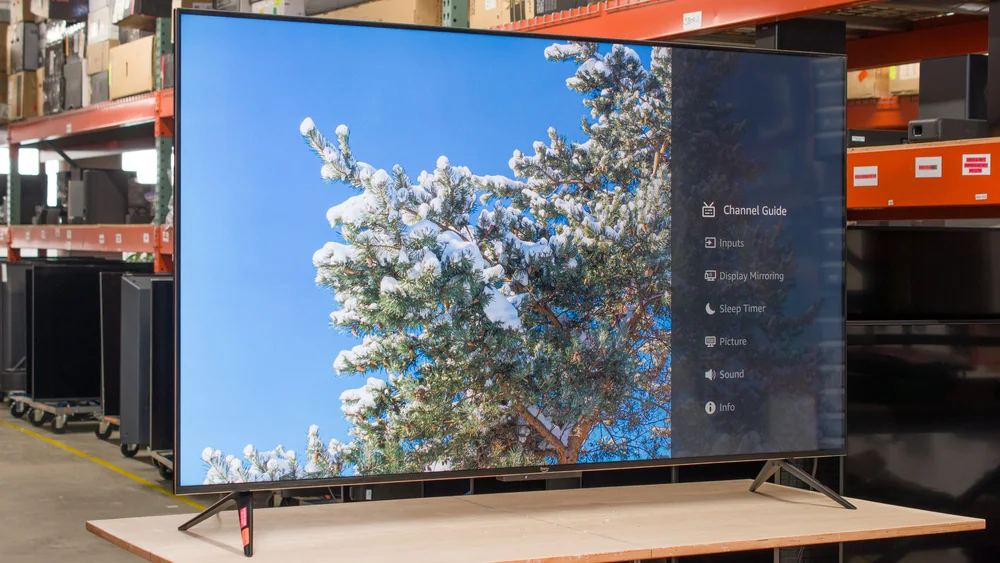
What to know first
- Mini-LED backlighting is the headline feature, aimed at better contrast than a standard LED panel at a similar price
- One independent evaluation flagged it as a good fit for watching sports, largely due to that contrast advantage
- Runs on Amazon's Fire TV smart platform, which favors people already using Amazon devices and services
- Exact refresh rate, HDR format support, and port counts aren't independently confirmed, so check the listing for your specific size
- Positioned as a value alternative to pricier mini-LED sets from bigger TV brands
Amazon's answer to the mini-LED price ceiling
Mini-LED backlighting used to be a feature reserved for TVs at the top of a brand's lineup. It works by splitting the backlight into many small zones instead of one big panel of light, so a bright scene next to a dark one doesn't wash out the black. The Amazon Ember Mini LED TV brings that technology under Amazon's own name, which is notable mainly because Amazon has spent years selling budget Fire TV sets that used ordinary LED backlighting.
That positioning matters more than it sounds. A shopper who wants mini-LED contrast has historically had to pay a premium for a name-brand set from Samsung, TCL, or Hisense. Amazon selling its own mini-LED model puts pressure on that price floor, especially for buyers who don't care whose logo is on the bezel and just want a brighter, punchier picture for the money.
It also folds neatly into Amazon's larger strategy of selling hardware that keeps you inside its ecosystem: Fire TV apps, Alexa voice control, and tie-ins to Prime Video. The TV itself is a mini-LED panel, but the reason to actually buy an Amazon-branded set instead of a similarly priced competitor is usually the software experience wrapped around it.
Why one reviewer called it a sports TV
Independent evaluation of the Ember Mini LED TV pointed to it as a strong option specifically for watching live sports, describing it in one review as close to ideal for a big match. That's a useful, narrow data point rather than a broad consensus, but it makes sense given what mini-LED backlighting is built for: sports broadcasts are full of bright stadium lighting next to dark shadows on the field, and a panel that can dim and brighten small zones independently handles that contrast better than a basic LED backlight can.
That single evaluation shouldn't be read as proof the set beats every competitor at sports viewing, since it's one professional opinion rather than a pattern confirmed across multiple independent reviewers. But it's a meaningful signal if your main use case is exactly that: a household that gathers around the TV for weekend games more than it cares about calibrated color accuracy for movie night.
For everyone else, the sensible read is that mini-LED backlighting generally improves contrast and brightness handling over a standard LED panel at a similar price, and this specific evaluation happened to notice that benefit showing up clearly during sports content.
Living inside the Fire TV interface
Buying an Amazon-branded television means buying into Fire TV as your daily interface, not an optional extra. If you already navigate Fire TV on a streaming stick or another Amazon device, the home screen, voice search, and app layout will feel familiar from day one. Alexa voice control typically ships as part of that experience, letting you search for shows or change inputs by talking instead of hunting through menus.
The tradeoff shows up if you're not already an Amazon household. Fire TV leans on Amazon's own content and Prime Video promotion more than some competing platforms, and if your remote habits or smart home setup are built around Google or Apple products instead, you may find yourself fighting the interface a little before it feels natural.
One thing worth confirming before you buy, since it isn't nailed down in independent reporting for this exact model: how many HDMI inputs you get and whether any of them support HDMI 2.1 for high-frame-rate gaming. If you're planning to connect a soundbar, a game console, and a streaming box all at once, count your ports on the specific listing before checking out.
The information gap you should close before buying
The honest caveat here is that the available independent reporting on the Ember Mini LED TV is thin. There's no confirmed refresh rate, no confirmed HDR format list, and no independently verified port count in what's publicly documented. That's a real gap if you're the kind of shopper who wants to compare spec sheets line by line before deciding.
It also means claims like "cinema-quality picture" or format compatibility with your specific streaming service should be verified against the actual product listing for the size you're buying, not assumed from the product name alone. Amazon TVs, like most brands, sometimes vary panel details across screen sizes within the same product family.
None of this means the TV is a bad buy. It means the decision to buy should rest on the two things that are actually well supported: mini-LED backlighting generally improves contrast over standard LED at a similar price, and one independent evaluation found this particular set worked well for sports viewing. Treat everything else as unconfirmed until you check the listing yourself.
The specs that matter
Splits the backlight into more, smaller zones than standard LED, so bright and dark areas of the same scene look more distinct instead of washing into each other.
This is the interface you'll touch every day. It favors households already using Alexa, Fire tablets, or other Amazon devices, and leans toward Prime Video and Amazon's own content recommendations.
A single professional opinion, not a broad consensus, but consistent with what mini-LED backlighting typically does well: handling bright, high-contrast broadcast lighting.
Check the exact listing for your screen size before buying if fast motion, a specific HDR format for your streaming service, or a certain number of HDMI inputs is a dealbreaker for you.
Who this product fits
The household that watches every game
If weekend sports are the main reason the TV gets turned on, the mini-LED backlight's contrast advantage is exactly the kind of upgrade that shows up most clearly during bright stadium broadcasts, which lines up with the favorable sports-viewing note from one independent evaluation.
The Amazon household upgrading an old LED TV
Someone already using Echo speakers, a Fire tablet, or Prime Video daily will find the Fire TV interface requires no adjustment period, and the mini-LED panel is a genuine step up in contrast from an older edge-lit LED set.
The gamer who needs confirmed HDMI 2.1
If a next-gen console and high-frame-rate gaming are the priority, hold off until you can confirm HDMI 2.1 support and port count on the exact size and model listing, since that detail isn't independently verified in current reporting.
What else to compare
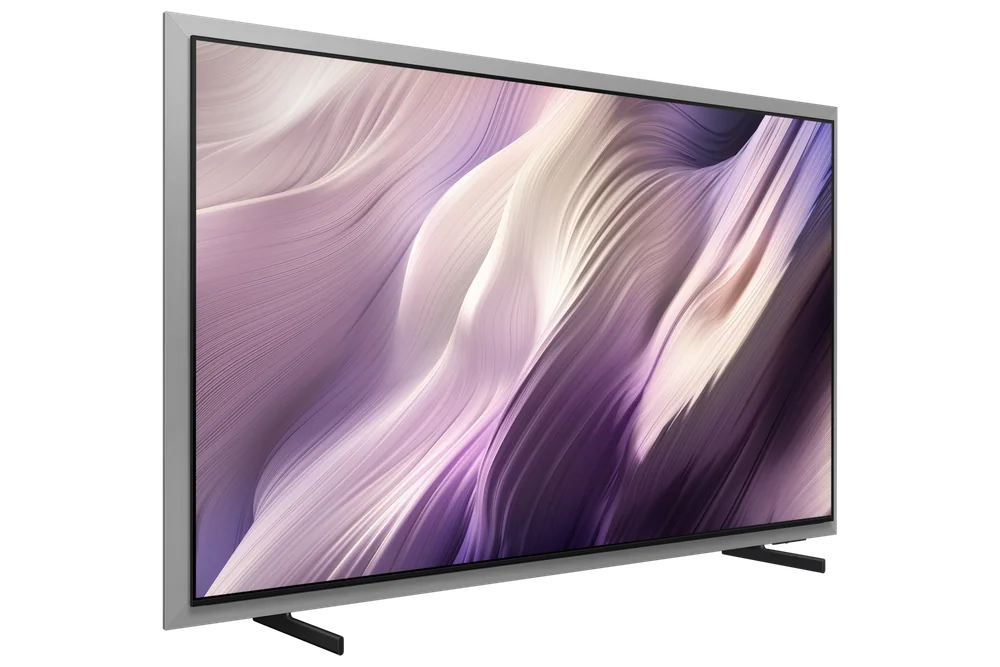
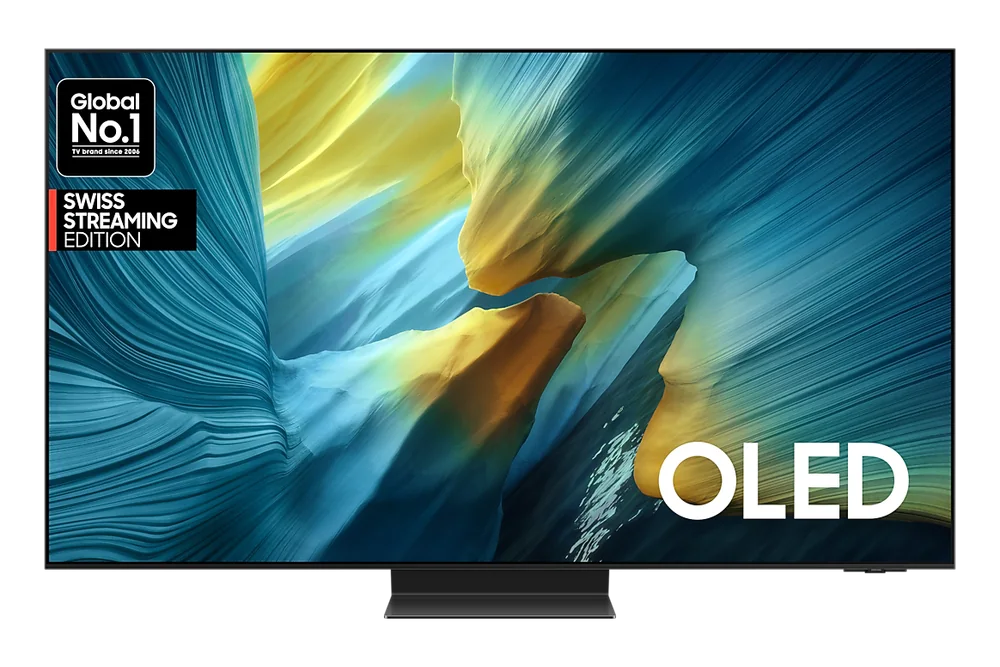
A few other paths are worth weighing depending on what the Ember Mini LED TV can't confirm for you.
Amazon Ember Mini LED TV FAQ
Is the Amazon Ember Mini LED TV good for sports?
One independent evaluation described it favorably for watching live sports, largely because mini-LED backlighting handles the bright, high-contrast lighting typical of stadium broadcasts better than a standard LED panel. That's one professional opinion, not a broad consensus, but it's consistent with how mini-LED technology generally performs.
Does the Amazon Ember Mini LED TV run Fire TV?
Yes, it uses Amazon's Fire TV smart platform, which includes Alexa voice control and integrates closely with Prime Video and other Amazon services. Buyers already using Fire TV devices will find the interface familiar right away.
What is mini-LED backlighting and why does it matter here?
Mini-LED backlighting breaks the screen's backlight into many small zones instead of one uniform light source, so bright and dark parts of the same scene can be controlled more independently. That generally means better contrast and deeper blacks than a standard LED TV at a similar price.
Does the Amazon Ember Mini LED TV support Dolby Vision or HDR10+?
Independent reporting available for this review doesn't confirm a specific HDR format list. If a particular HDR format matters for your streaming service, check the product listing for your exact screen size before buying.
How many HDMI ports does the Amazon Ember Mini LED TV have?
Port count isn't independently confirmed in available reporting for this model. If you're connecting multiple devices like a soundbar and game console, verify the HDMI count on the specific listing before purchasing.
Worth it if you already trust Amazon's ecosystem
Mini-LED backlighting at a budget price is a real advantage, and Amazon putting its name on that technology is a meaningful shift for anyone who wants better contrast without paying flagship prices. The favorable independent note on sports viewing adds a concrete, if narrow, reason to consider this set specifically if game nights are a household ritual.
The catch is how little independently confirmed detail exists beyond that. Buy the Amazon Ember Mini LED TV if you're comfortable living inside Fire TV and you trust that the mini-LED panel will deliver the contrast improvement the technology is known for. If you need confirmed refresh rate, HDR format support, or a specific HDMI 2.1 port count before you commit, check the exact listing for your size first, because that information isn't nailed down here.