Explore Smart Tvs for more buying guides, in-depth reviews, comparisons, and practical advice.
A smart TV for a kid's room should be appropriately sized, reasonably priced, easy to use, and equipped with parental controls that are practical to manage. We prioritized compact screens, simple interfaces, everyday value, and control options that help parents set sensible limits without turning setup into a project.
Pickori may earn a commission from affiliate links.
1
Best for younger kids
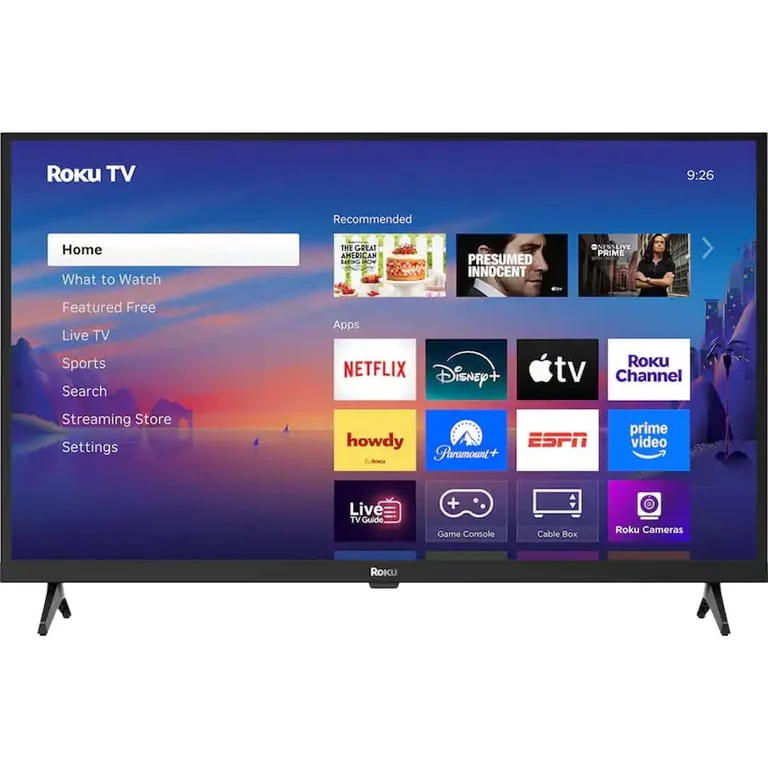
Roku 32-Inch Select Series 1080p Smart TV
For a younger child's room, simplicity matters more than premium panel technology. This 32-inch Roku set is easy to place, straightforward to navigate, and sharp enough at normal bedroom viewing distances. It takes the top spot because it fits the room and the job without making parents pay for 4K or high-end gaming features that may go unused. Choose something farther down the list if this TV will also serve as a serious game or movie screen.
Compact 32-inch screen fits bedrooms without dominating the room
Roku's built-in interface keeps streaming simple
1080p resolution is practical at this size, but it is not a 4K upgrade
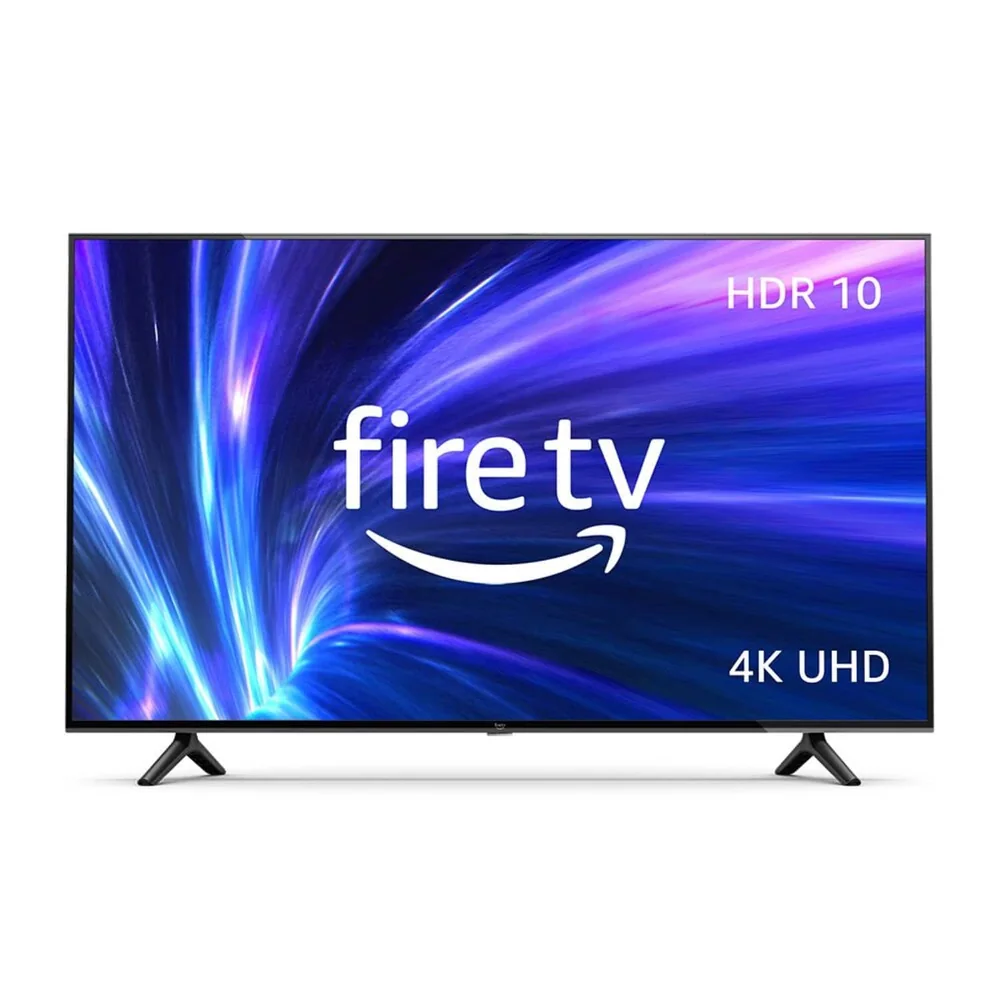
If your household already runs on Alexa, this is the more natural fit than rank one, and it bumps the screen up to 43 inches for a kid who's outgrown a smaller set. Fire TV's parental controls let you lock down profiles and restrict purchases, which covers the basics for supervised viewing. It's a newer release as of mid-2025, so you're not buying into an aging platform that'll lose app support in a year or two. The tradeoff against the TCL is size and price: a 43-inch panel costs more and takes up more wall or dresser space, which matters in a smaller kids' room.
43-inch 4K panel gives more room to grow into than a 32-inch bedroom set
Current-generation release means longer runway before software support lapses
Best suited to households already using Alexa for other smart home control
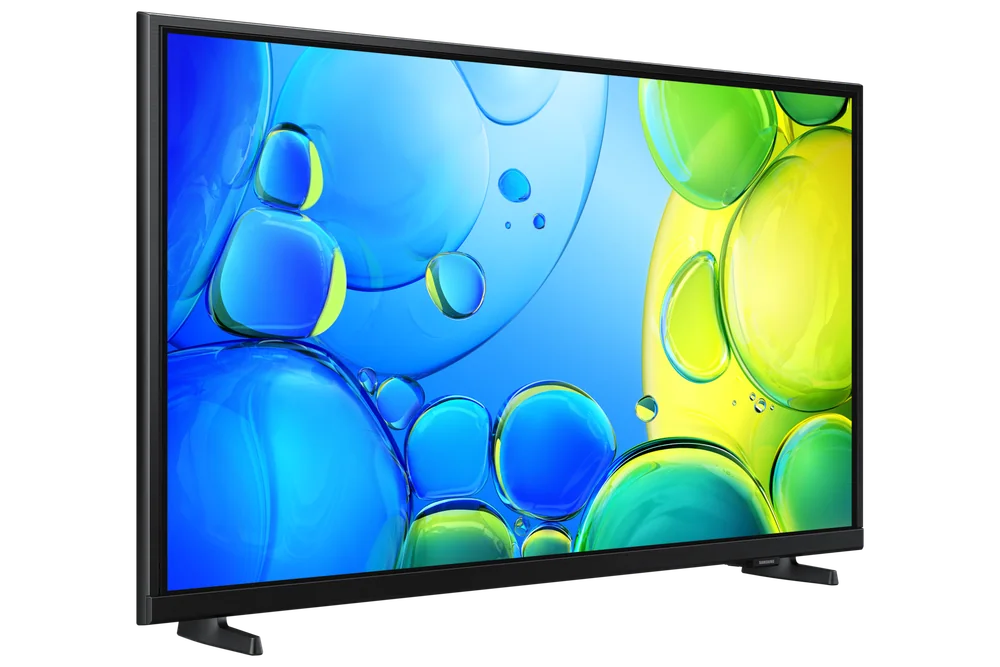
The Samsung F6000F is the sensible middle ground for an older child who wants a familiar smart TV without turning the bedroom into a home theater. Its 32-inch, 1080p screen is compact enough for a desk or dresser, and Samsung's current Tizen platform covers everyday streaming. The trade-off is easy to understand: this is a practical bedroom TV, not the pick for a child expecting 4K detail or advanced console-gaming features.
32-inch Full HD screen suits desks, dressers, and smaller bedrooms
Current Samsung smart platform handles everyday streaming
A practical secondary TV, but not a 4K or high-refresh gaming display
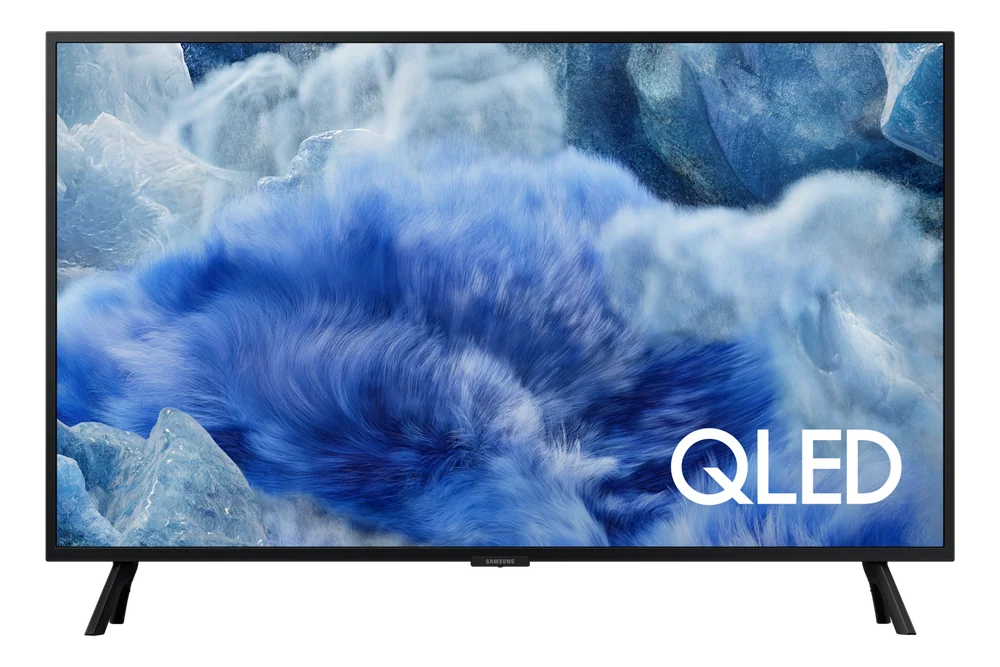
This is the pick for a smaller room where you still want 4K resolution and QLED color without stepping up to a 43-inch footprint. Samsung's QLED lineup has earned recognition in other size classes for color performance, which suggests the smaller Q8F should carry over similar picture technology, though that's an inference rather than a confirmed test result on this specific model. The compromise here is platform: Samsung's smart TV ecosystem tends to have a steeper menu structure than Roku or Fire TV, which is worth considering if you want a kid to navigate it independently. It's a reasonable choice when floor space is the binding constraint.
32-inch 4K QLED panel fits tight bedrooms while still offering sharper resolution than basic HD sets
Samsung's QLED technology has performed well in other screen sizes, a reasonable but unconfirmed signal for this model
Menu and app navigation can be less kid-friendly than Roku or Fire TV interfaces
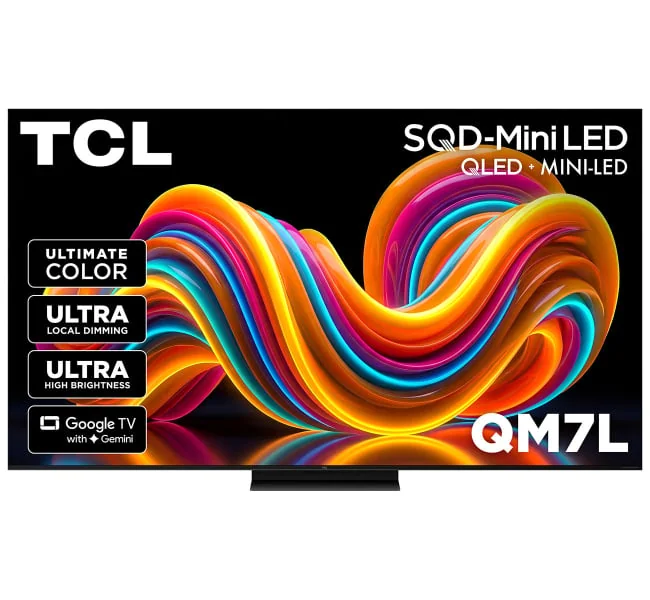
At 55 inches, this stops being a discreet bedroom television and starts being a real gaming setup, which is exactly the point for an older teen with a console and friends over on weekends. TCL's QLED sets have been recognized elsewhere for handling bright rooms well, a trait that also helps with glare from bedroom windows during daytime gaming sessions. The size and step up in features push it further from the budget lane than the earlier picks, and it's genuinely oversized for a younger child's room, so this only makes sense once a kid has clearly outgrown a smaller set.
55-inch screen suits console gaming and group viewing better than smaller bedroom sets
TCL's QLED technology has been noted for strong performance in bright rooms
Size and price push this past what most parents want for a young child's bedroom
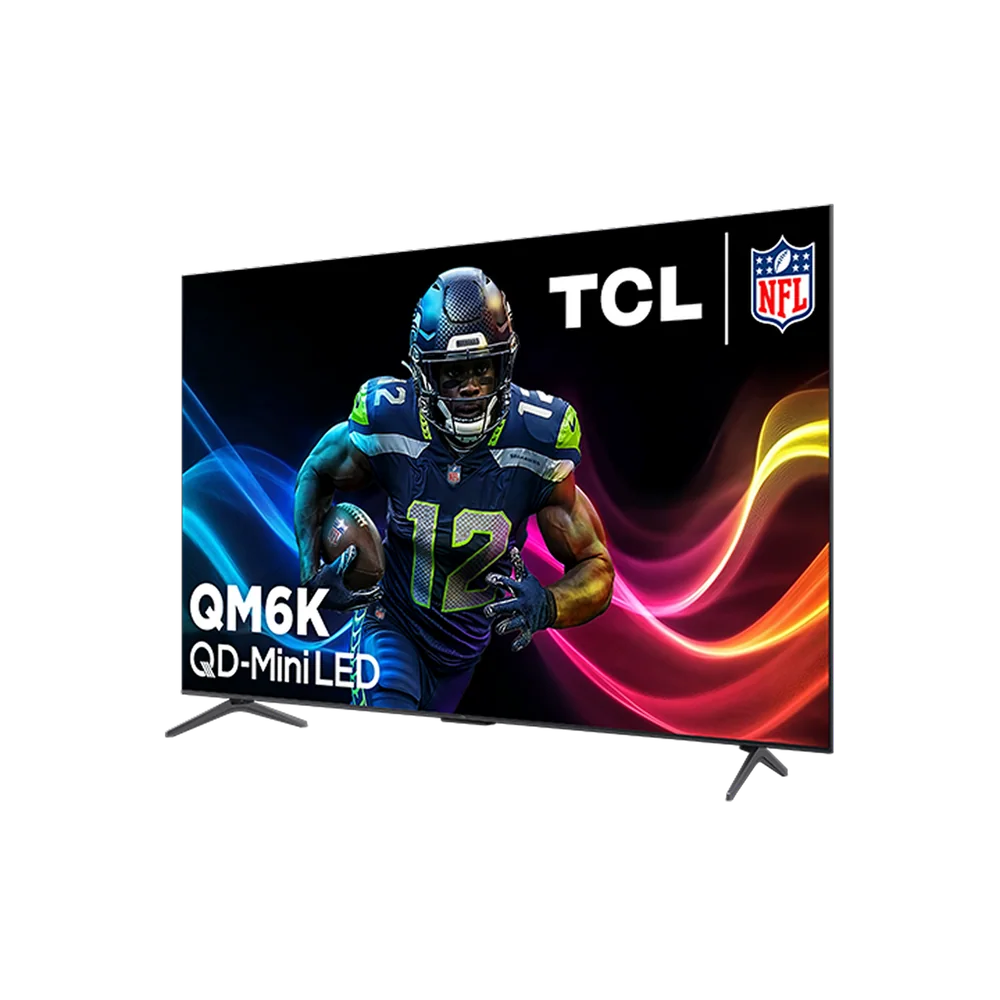
Think of this less as a single kid's bedroom TV and more as the anchor for a shared playroom or basement space where multiple children gather. The 55-inch size supports group movie nights and multiplayer gaming better than anything smaller, and it carries the same QLED color advantages found across TCL's lineup. It's a bigger investment than a single bedroom deserves, so it only makes sense as a shared-space purchase rather than a per-child upgrade. If you're outfitting one child's private room, look further up this list instead.
Large 55-inch screen better suited to shared spaces than individual bedrooms
QLED color performance in line with other TCL models
Better value as a shared family purchase than as a single kid's bedroom TV
What's the most important feature for a smart TV in a kid's bedroom?
Built-in parental controls matter more than picture quality. Look for a platform like Roku or Fire TV that lets you lock purchases, restrict content by age rating, and manage profiles without extra hardware.
What size screen makes sense for a child's bedroom?
For younger kids, 32 inches is usually enough given typical bedroom viewing distances. Once a child is older and gaming more seriously, 43 to 55 inches becomes reasonable, but that also means a bigger price tag and more wall space needed.
Should I worry about OLED burn-in for a kid's room?
Yes, if a child tends to pause games or leave the same app open for long stretches, an OLED panel carries a real risk of burn-in over time. A standard LED or QLED set is generally the safer, lower-maintenance choice for a bedroom.
Is a bigger TV always better for an older kid or teen?
Not necessarily. A larger screen suits gaming and group viewing, but it also costs more and can overwhelm a smaller room. Match the size to the room and the child's actual use, not just their age.
Do budget TVs sacrifice picture quality for parental controls?
Not really. Several budget-friendly sets use QLED panels that offer solid color and brightness, so you're not necessarily trading picture quality for affordability and control features.