
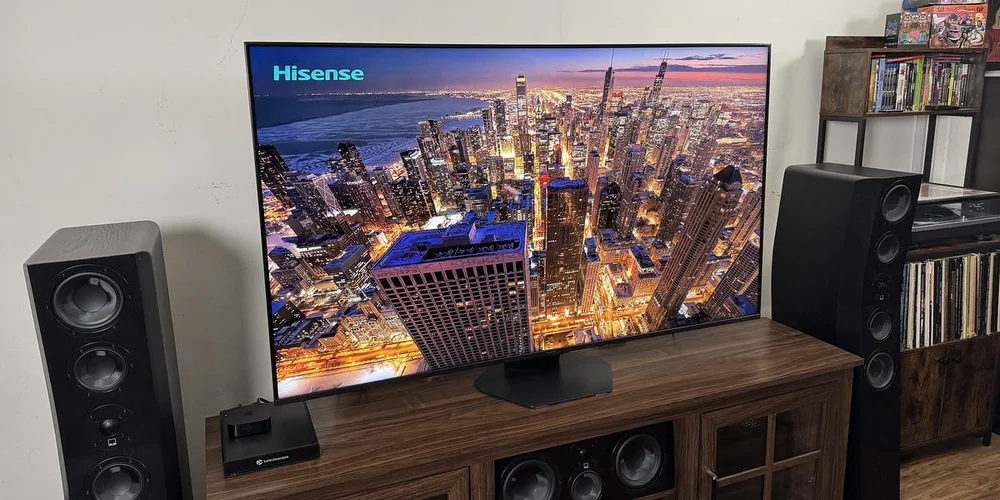
What to know first
- Mini-LED backlighting gives it a real brightness edge over standard LED TVs in sunlit rooms
- Supports both Dolby Vision and HDR10+, so it isn't locked out of either studio's preferred format
- Runs Google TV, a familiar interface for anyone who's used a Chromecast
- HDMI 2.1 ports make it a sensible pick for current-gen console or PC gaming
- Not built for dark-room cinephiles chasing OLED-level black levels
- A practical step up from entry LED sets without jumping to OLED prices
Where the U8QG sits in Hisense's lineup
The U8QG is Hisense's answer to a specific problem: a lot of people want the contrast and punch of a premium TV without paying OLED money. It uses mini-LED backlighting, which packs in far more, smaller dimming zones than a standard LED panel, letting bright and dark parts of the screen sit closer together without one washing out the other.
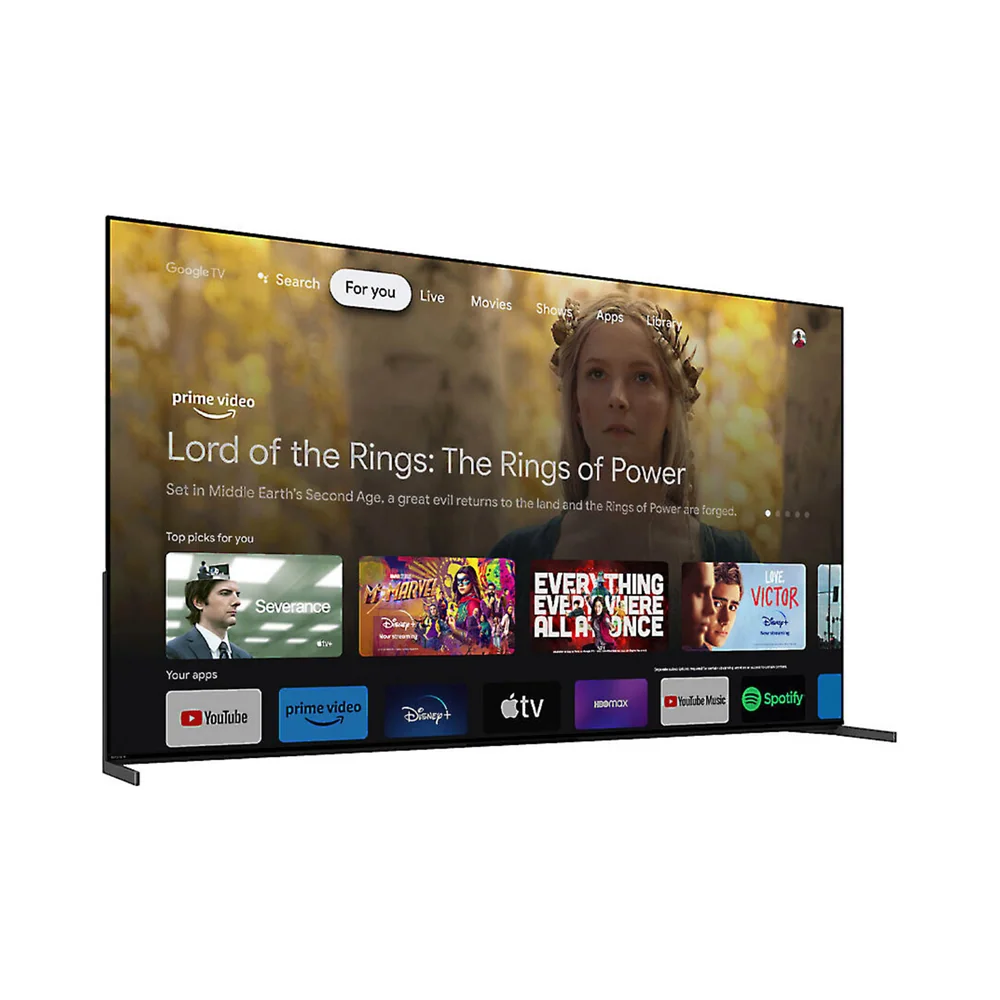
Google TV runs the software side, tying the U8QG into the same ecosystem as Chromecast devices and other Google TV sets, so switching from an older streaming box to this TV won't mean relearning how to find your shows.
The brightness advantage that actually shows up in daily viewing
Mini-LED's real selling point isn't a spec sheet number, it's what happens when you're watching a bright outdoor scene next to a shadowy interior shot in the same movie. The U8QG's smaller dimming zones let it push highlights hard while keeping nearby dark areas from glowing gray, which is the failure mode that makes cheaper LED TVs look flat during high-contrast HDR content.
Supporting both Dolby Vision and HDR10+ matters more than most buyers realize until they hit a title that only offers one. Netflix and Disney+ lean Dolby Vision, while Amazon Prime Video and some 4K Blu-rays favor HDR10+. A TV that only does one format leaves you watching standard HDR on whatever the other studio ships, and the U8QG sidesteps that entirely.
For gamers, HDMI 2.1 ports open the door to higher frame rate gaming from a current console or a gaming PC, which is the kind of feature that quietly becomes non-negotiable once you've played on a TV that has it.
Living with Google TV day to day
Google TV means the home screen leans on personalized recommendations pulled from your streaming subscriptions, which either feels convenient or a little too algorithm-driven depending on your patience for that sort of thing. It's the same platform found across a wide range of TVs and streaming sticks, so the learning curve is close to zero if you've used any of them before.
Voice control through Google Assistant is built in, letting you search for shows or switch inputs without hunting for the right remote button. Universal remote compatibility is worth checking against your specific setup before buying, since some voice and smart-home features are tied more tightly to the TV's own remote than a universal one.
Multiple HDMI ports mean a soundbar, game console, and streaming device can all stay connected at once, which sounds minor until you've spent an evening swapping cables behind a TV because you only had two inputs to work with.
Where the U8QG doesn't try to compete
This is a mini-LED TV, not an OLED, and that distinction matters most in a dark room. Even the best mini-LED backlighting can't fully eliminate blooming, the faint halo around bright objects on a dark background, the way OLED's per-pixel lighting does. If your main viewing room stays dim and you watch a lot of dark, moody content, that's the honest reason to spend more on OLED instead.
Out-of-the-box picture settings on most TVs, this one included, tend to be tuned for showroom pop rather than accuracy, meaning colors can look oversaturated until you spend a few minutes in the settings menu dialing things back for home viewing.
Google TV's interface leans on ads and recommended content tiles, which some buyers find genuinely useful and others find cluttered. It's not a dealbreaker, just something to know going in if you prefer a leaner smart TV menu.
The specs that matter
Smaller, more numerous dimming zones mean brighter highlights and darker shadows can sit closer together on screen without one bleeding into the other.
Covers both major HDR camps, so you get the fully mastered picture whether a title comes from a Dolby Vision-favoring service or an HDR10+ one.
Familiar to anyone who's used a Chromecast or another Google TV device, with built-in voice search and app recommendations.
Supports higher frame rate gaming from current consoles or a gaming PC, which standard HDMI 2.0 ports can't handle at full speed.
Lets you search, switch inputs, or control smart home devices by voice, though some features work best with the TV's included remote rather than a universal one.
Who this product fits
A sunlit living room that's washed out every TV you've owned
The U8QG's mini-LED backlight is built for exactly this problem. HDR highlights stay visible instead of fading into a gray haze, which is the usual complaint with cheaper LED TVs in bright rooms.
A console gamer upgrading from an older 60Hz TV
HDMI 2.1 support means you can actually use your console's higher frame rate modes, something a lot of budget TVs still can't handle even in 2024.
Someone who wants OLED-style contrast without OLED pricing
Mini-LED won't match OLED's per-pixel blacks, but it gets meaningfully closer than standard LED, and the U8QG is priced to reflect that middle ground rather than flagship territory.
What else to compare
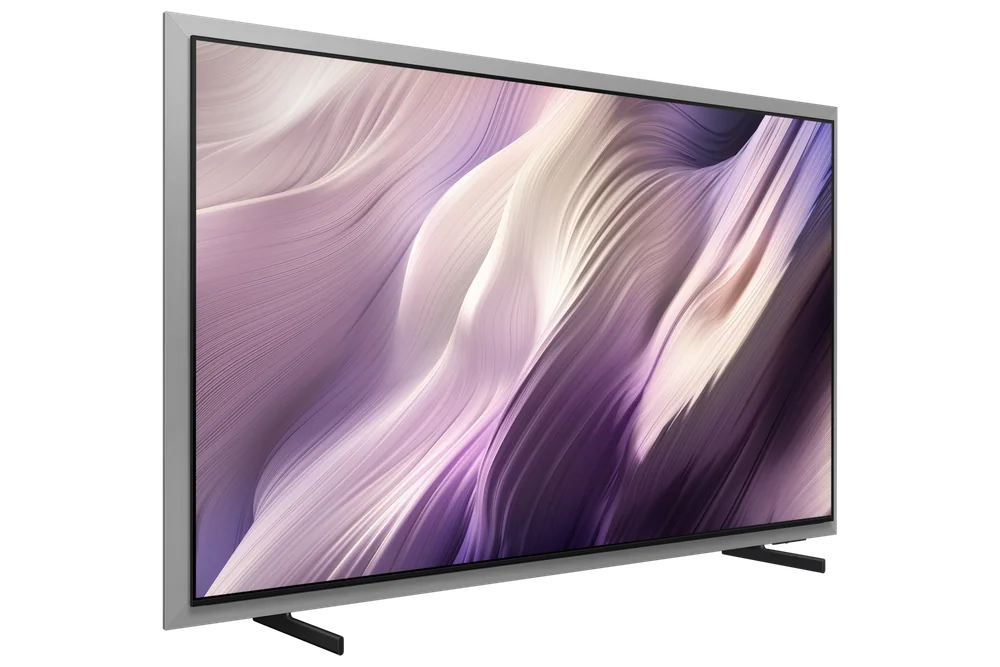
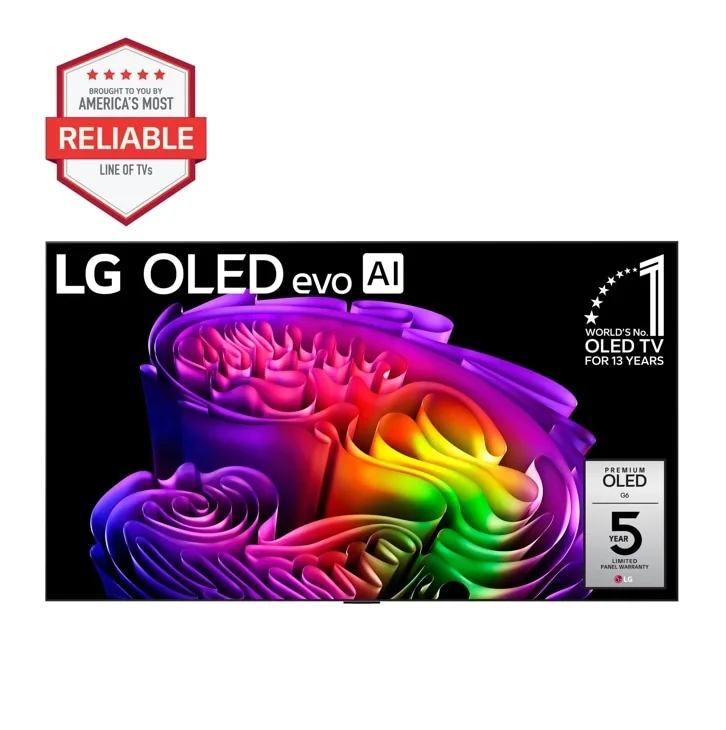
A few other paths are worth knowing before you settle on the U8QG.
Hisense U8QG 4K TV FAQ
Is the Hisense U8QG good for gaming?
Yes, its HDMI 2.1 ports support higher frame rate gaming from current-generation consoles and gaming PCs, which is a meaningful step up from older HDMI 2.0-only TVs.
Does the Hisense U8QG support Dolby Vision and HDR10+?
It supports both formats, so you're not missing out on the fully mastered HDR picture regardless of which streaming service or disc format you're using.
What smart TV platform does the U8QG use?
It runs Google TV, the same interface found on Chromecast devices and many other TVs, with built-in Google Assistant voice control.
Is mini-LED as good as OLED?
Not quite. Mini-LED narrows the gap in contrast and brightness but still can't fully match OLED's per-pixel black levels, especially in a dark room. It does typically get brighter than OLED, which helps in well-lit spaces.
Will any remote work with the U8QG's voice features?
Universal remote compatibility varies, and some voice and smart-home features work best with the TV's original remote rather than a third-party replacement, so it's worth checking your specific remote before assuming full functionality.
Who actually needs to buy this TV
Anyone shopping in the space between a bargain LED TV and a full OLED upgrade should have the Hisense U8QG on their short list. Its mini-LED backlighting solves the specific problem of watching HDR content in a bright room, and dual HDR format support means it won't leave you stuck with a lesser picture depending on which app you're streaming from that night.
Skip it if your TV lives in a dedicated dark room where OLED's contrast would matter more than mini-LED's brightness, or if you're not interested in living inside Google's ecosystem. For everyone else, particularly gamers and families watching in a normally lit living room, the U8QG delivers more picture quality per dollar than its price suggests.