
Pickori

Buying Help

Figuring Out What TV Size Actually Fits Your Room

The distance math that matters more than the number on the box.

A 75-inch TV looks impressive in a big-box store with 20 feet of open floor between you and the wall. It looks completely different bolted above a fireplace eight feet from the couch, where the picture edges sit outside your normal field of view and every fast camera cut feels like watching a tennis match.

Reading time: 7 minutesBest for: Anyone replacing a TV and unsure what size actually suits their room
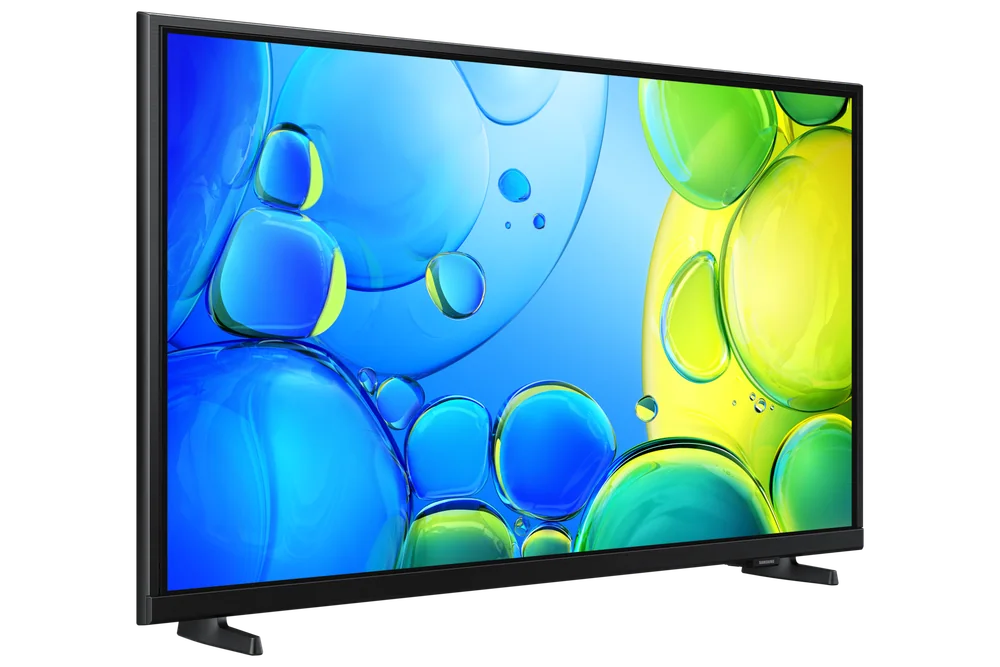
Samsung UN32F6000F 32-Inch Smart TV

Why viewing distance matters more than square footage

A room's total floor space says nothing about how far the couch sits from the screen, and that distance is the number that actually determines whether a given size looks right. A large open living room with a couch pushed far back can comfortably handle a bigger screen than a smaller den where seating is forced close to the wall.

Measuring the actual seating distance, in feet, from where heads normally rest against the couch back to where the TV will hang, is the single most useful number to have before shopping.

Simple distance-to-size ratios

A commonly used starting point is dividing the viewing distance in inches by roughly 1.5 to 2 to get a comfortable screen size range, meaning a couch sitting 8 feet (96 inches) away suggests something in the 48 to 64 inch range for a standard viewing experience. Sitting closer than that ratio suggests can make a large screen feel overwhelming, while sitting farther leaves detail and immersion on the table.

This is a starting range, not a rule, since personal preference varies: some people like sitting close for an immersive feel, others find that fatiguing over a two-hour movie.

Resolution and how close you can sit

Higher resolution panels let you sit closer without seeing individual pixels, which is part of why 4K TVs can comfortably run larger at a given distance than an older 1080p set could. This matters most for anyone with a small room forced into close seating, since a higher resolution buys back some of the size range that limited distance would otherwise restrict.

8K resolution offers a similar theoretical benefit at very close distances, though very little content is actually produced in 8K yet, so the benefit stays mostly on paper for most living rooms today.

Wall space versus stand space

Wall-mounted TVs need clearance for the mount's swing arm or flat bracket, plus enough space around the frame to avoid crowding adjacent outlets, art, or shelving. Stand-mounted TVs need a media console wide and sturdy enough to support the base feet, which vary in width by model and don't always match the width of the previous TV's stand.

Measuring both the wall space and the stand footprint before buying avoids the common surprise of a TV that fits the room fine but doesn't sit properly on the furniture already there.

What this guide helps you understand

Screen size decisions come down to a distance measurement more than a room's overall size, and a five-minute cardboard test at home beats guessing based on a showroom floor.

A tape measure for actual couch-to-wall viewing distance
Wall or stand measurements taken before shopping, not after delivery

Technique notes

Resolution affects how close you can comfortably sit to a given size
Bright rooms favor Mini LED or QLED panels over OLED's dark-room contrast advantage

More smart tvs help

As an Amazon Associate I earn from qualifying purchases.

← Back to Smart Tvs