
Pre-release Product Analysis
iPhone Duo
Published Updated
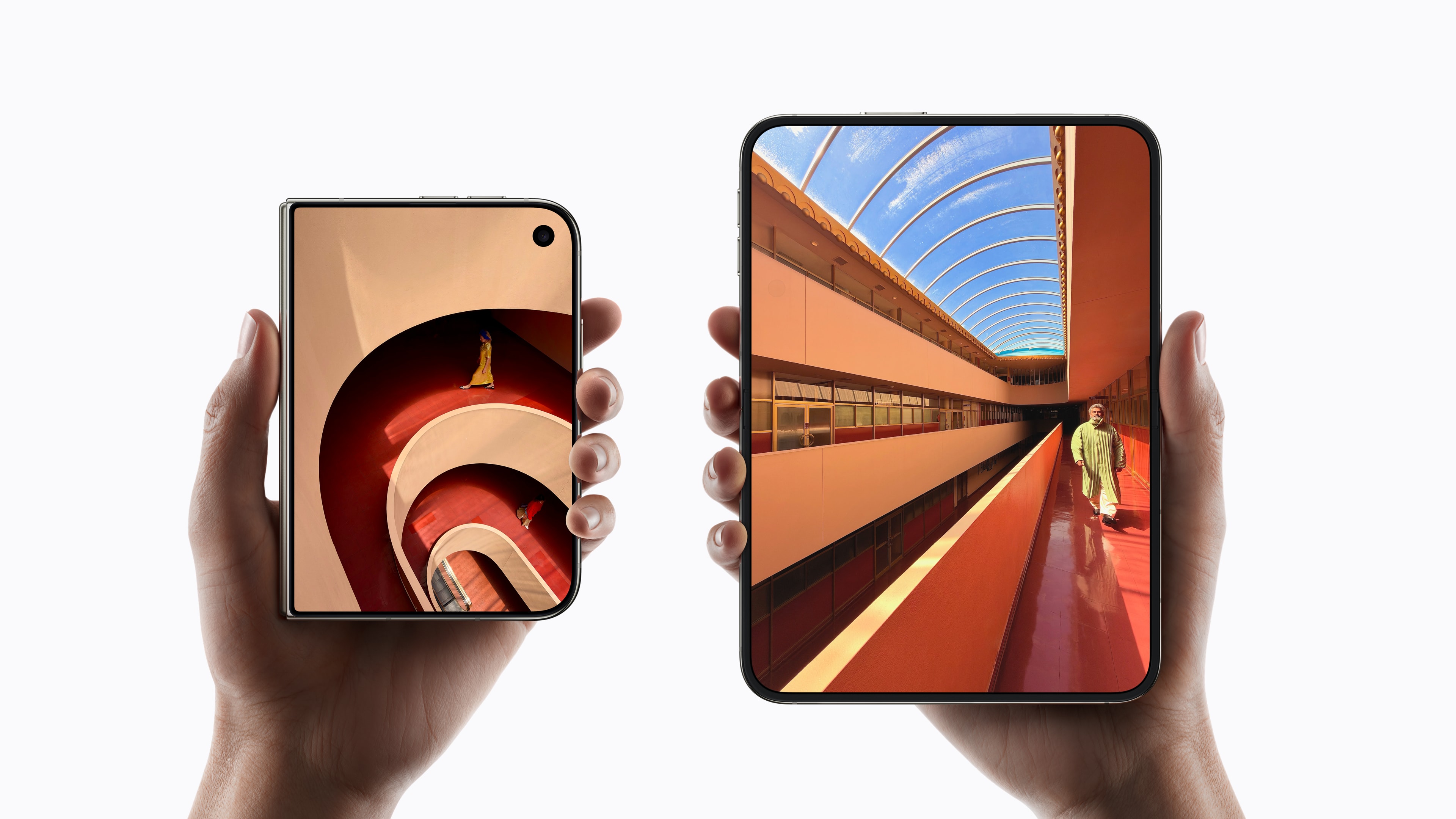
Apple's first folding iPhone starts at $1,999, closes around a compact 5.4-inch display, and opens into a 7.6-inch workspace. Duo gives Apple users a foldable without asking them to leave iOS, their familiar apps, or the devices and services around them. That alone makes it one of Apple's most consequential iPhone launches in years.
iPhone Duo at a glance
Price, preorder date, release date, and key specifications
Apple has confirmed the buying details below. Battery figures are Apple's controlled-test claims; reliability and real-world performance remain open questions until retail devices have been used for longer.
| Question | Confirmed answer |
|---|---|
| Starting U.S. price | $1,999 with 256GB of storage |
| Preorder date | October 16, 2026, beginning at 5 a.m. PT |
| Release date | October 23, 2026, in the U.S. and more than 70 other markets |
| Storage options | 256GB, 512GB, 1TB, and 2TB |
| Displays | 5.4-inch outer OLED and 7.6-inch folding OLED, both up to 120Hz |
| Size and weight | 11.3mm thick when closed; 254 grams |
| Dual SIM | Dual eSIM: two active eSIMs and eight or more stored profiles; no physical SIM |
| Reliability status | IP68 published; no fold-cycle rating or long-term independent data yet |
| Pickori review status | Pre-release analysis; not tested or scored |
Published battery claims
Screen choice changes the estimate
Early hands-on reports
Reporters agree on the display and hinge, but not the ergonomics
Apple's specifications tell us what iPhone Duo is designed to do. Direct hands-on reports now add a more useful second layer: experienced phone journalists have opened it, carried it around an event space, moved between its displays, tried its multitasking tools, and used its cameras. Those minutes with fresh demo units cannot establish battery life, durability, sustained performance, or final camera quality, but they can show whether Apple's central ideas work in the hand.
| Question | What direct hands-ons observed | Pickori's reading | What remains untested |
|---|---|---|---|
| Inner-display crease | Most reporters found it difficult to notice in ordinary use, but they differed on whether it was more visible or more tactile under certain angles and lighting. | Apple appears to have made the crease meaningfully less intrusive, not literally invisible. | How the fold line changes after months of use, repeated folds, heat, and surface wear. |
| Shape and handling | The rounded body felt comfortable and the outer screen felt compact; one-handed opening was less convincing, and several reports noted the substantial closed form. | Duo may be easier to reach across than a tall Pro Max, but it is still a 254g, 11.3mm-thick foldable. | Pocket comfort, typing fatigue, grip with a case, and daily one-handed use. |
| Hinge | The mechanism was repeatedly described as smooth, solid, and able to hold useful intermediate angles. | The hardware feels finished at launch, which is encouraging for a first Apple foldable. | Fold-cycle life, debris resistance, force changes, and play after sustained use. |
| Software | Display handoffs, two-app drag-and-drop, saved pairs, and partially folded modes worked in short demos. Some controls were less obvious, and the two panes cannot be freely resized. | Apple's approach already looks polished, but it favors predictable layouts over Samsung's greater windowing freedom. | Third-party app adaptation, long-session stability, and whether the restrictions become frustrating. |
| Cameras and speed | Camera controls and fold-enabled shooting modes worked, while brief gaming and navigation felt responsive. | The workflows are real; image quality and sustained performance are still open. | Camera comparisons, low light, benchmarks, thermals, throttling, and battery drain. |
These observations come from event-floor first impressions by reporters who physically handled iPhone Duo. They are stronger evidence than a specification sheet for feel and interface behavior, but they are not substitutes for controlled testing or weeks of ownership.
The recommendation
Duo may be the most versatile iPhone Apple has made in years
Duo has two distinct personalities. Closed, it is a short, wide iPhone for messages, calls, payments, quick searches, maps, and the camera. Open, it becomes Apple's largest iPhone display, with room for long-form reading, video, comparison shopping, photo selection, documents, and two apps at once. The outer and inner screens share an aspect ratio, so Apple has designed the transition between those modes to feel continuous instead of sending the same app into two unrelated layouts.
For the Apple community that has waited years for a foldable, this is not a novelty in search of an excuse. It is the first chance to buy the form factor while keeping iOS, Apple services, familiar apps, Apple Watch integration, and the broader ecosystem intact. Design appeal and the pleasure of owning Apple's first genuinely new iPhone shape in years are legitimate parts of the value. A buyer who has wanted exactly this product, can comfortably afford it, and understands the unanswered first-generation questions has a reasonable basis to preorder.
The tradeoffs still deserve equal clarity. Duo has no dedicated telephoto camera, weighs 254 grams, measures 11.3mm when closed, and arrives before independent evidence exists for long-term hinge wear, inner-screen aging, repair cost, sustained thermals, or mixed-use battery life. Those facts define who will enjoy the purchase and who will regret it; they do not turn the product into a warning label.
Preorder makes sense if
- You've specifically wanted an Apple foldable and can afford $1,999 without it being a stretch.
- The compact-when-closed, expansive-when-open design appeals to you, whether for reading and multitasking or simply because you have been waiting for an Apple foldable.
- You accept first-generation risk on hinge wear, inner-screen durability, and real-world battery behavior in exchange for owning Apple's first take on this category now.
Consider iPhone 18 Pro Max or waiting if
- Camera range matters to you and you'd miss a dedicated telephoto lens.
- You dislike carrying a heavier, thicker phone or want a device that's proven over years, not months.
- You want independent battery, hinge-wear, and repair-cost data before spending this much on a first-generation device.
Two displays, two intentions
Apple built Duo around two deliberately different display experiences
The 5.4-inch outer OLED display, which Apple says provides 90 percent of iPhone 18 Pro's screen area, is deliberately compact. The Verge called it petite by modern phone standards, while TechRadar found the rounded body comfortable and the side-mounted controls easy to reach. That supports Apple's pitch for quick messages, payments, directions, and camera use without unfolding. It does not make Duo a small phone in every sense. TechRadar could not reliably open and close it with one hand, and Gizmodo found it slightly thicker than Galaxy Z Fold8 when closed. At 254 grams and 11.3mm thick, "compact" describes reach and footprint, not weight or pocket presence.
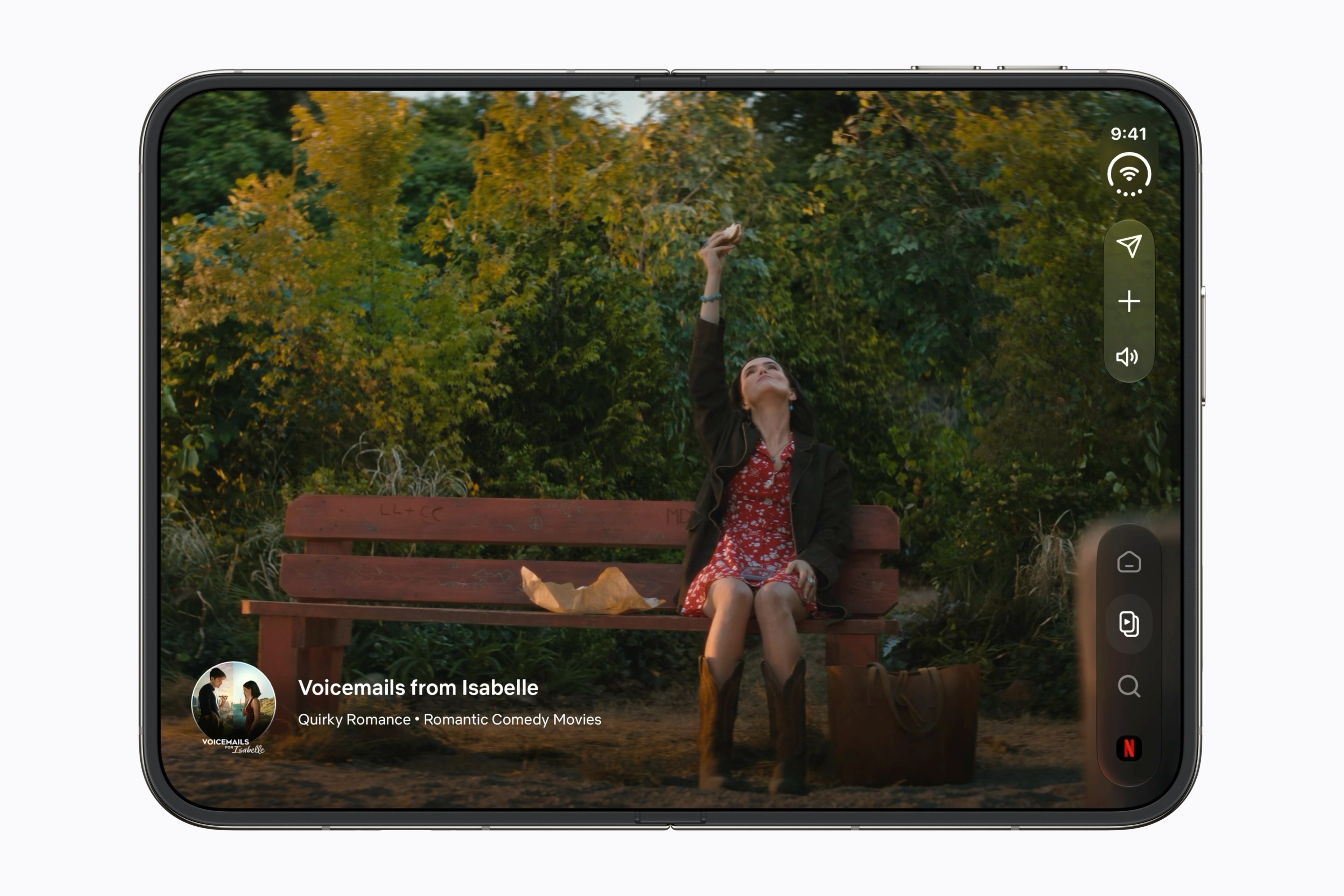
The inner 7.6-inch folding OLED display is where the other half of the pitch lives, and Apple says it is 50 percent larger than the display on iPhone 18 Pro Max. The early reactions suggest that the extra area changes the device rather than merely enlarging iOS. The Verge found its wider shape well suited to landscape video, long pages, and portrait multitasking. In a direct hands-on, The Wall Street Journal's Nicole Nguyen watched Netflix on the inner screen and immediately questioned whether she still needed an iPad mini. That is only a first impression, but it captures the strongest reason to buy Duo: the larger screen can eliminate some of the moments when a second device would otherwise come out.
Apple Pencil USB-C support, arriving later in 2026, extends that idea into markup, sketching, and document annotation. None of the event-floor reports tested the Pencil, however, and Duo still does not become a full-size iPad with desktop-style windowing. Pickori's view is that the outer display is a strength for quick tasks and the inner display is the product's reason to exist. The compromise sits between them: you get both experiences in one device, but you carry the hinge, thickness, and weight all day even when you only need the smaller screen.
A20 Pro in a folding chassis
A20 Pro looks ready; sustained Duo workloads will test the cooling
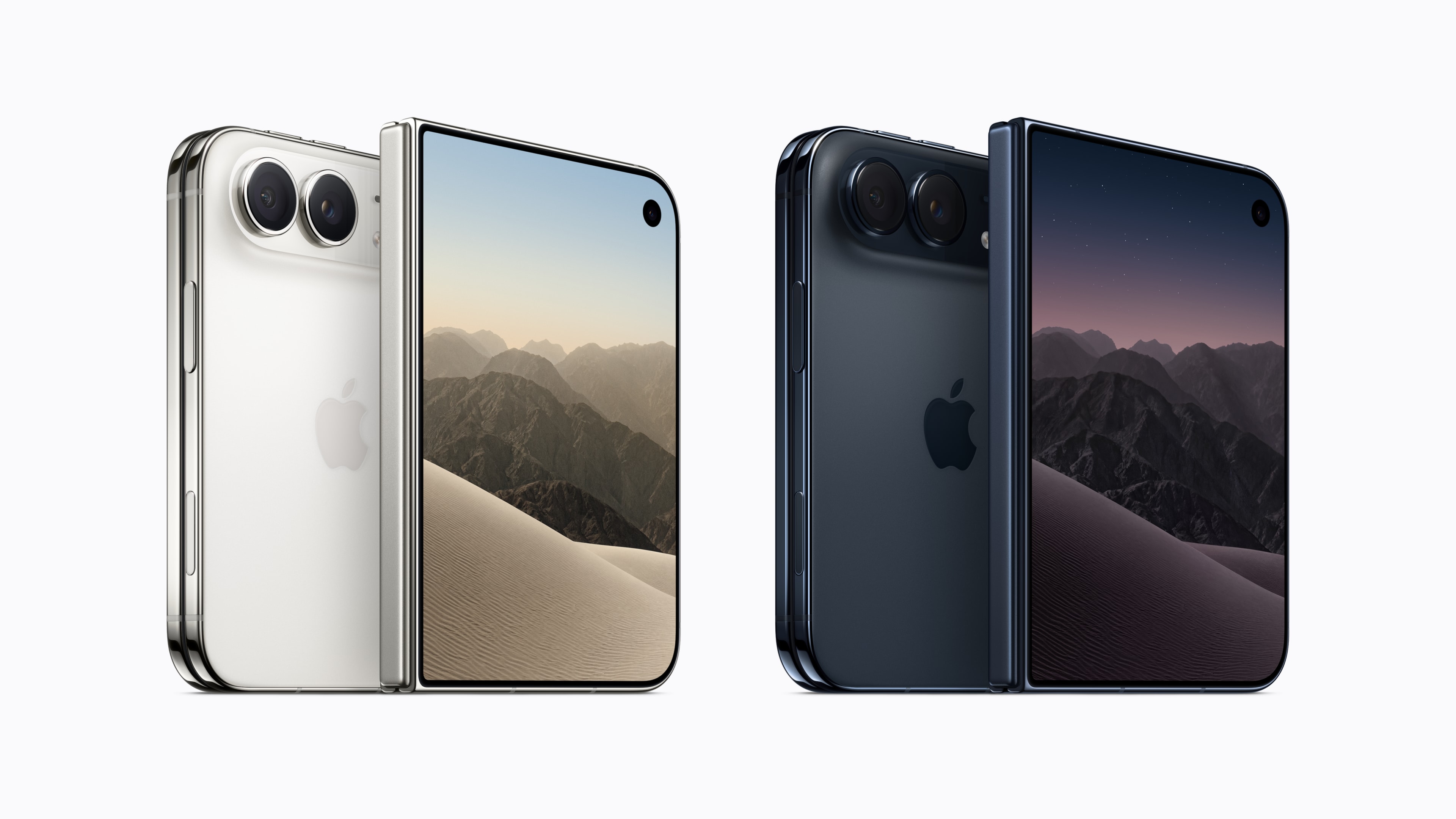
iPhone Duo uses the same 2nm A20 Pro family as iPhone 18 Pro, with a 6-core CPU, 7-core GPU, dual 16-core Neural Engine, and 50 percent more memory bandwidth than A19 Pro according to Apple. Apple also claims up to 35 percent better sustained performance than iPhone 17 Pro. Those are manufacturer claims, but they show where the engineering effort went: Apple connected a new chip package directly to a custom vapor chamber rather than treating cooling as an afterthought.
Duo's demanding cases will be the ones encouraged by its design. A large 120Hz inner display, high-frame-rate gaming, video work, AI processing, and two active apps can keep the chip and display system busy for longer stretches than quick single-app phone use. A new display engine can drive the inner and outer screens simultaneously for experiences that use both. The unfolded chassis also offers more surface area for heat dissipation, although its thin split construction changes the thermal path. On paper, the chip and cooling system should give Duo performance closer to a Pro iPhone than to a compromised thin foldable. Sustained testing will show whether that prediction holds.
TechRadar briefly played a console-level game and found the phone responsive, while other hands-ons moved through apps and display states without reporting obvious hesitation. That is useful evidence that the new interface is not struggling on demo hardware. It is not a benchmark. The scenario worth watching is extended gaming or video export with the phone unfolded, driving the large display at full brightness, with multiple apps active. That's where thermal throttling would show up if it is going to. Short sessions tell us Duo feels fast. They do not tell us whether it stays fast twenty minutes into a demanding task or how much battery that workload consumes.
Two batteries, three very different Apple claims
iPhone Duo battery life depends heavily on which screen you use
Apple claims up to 44 hours of video playback on the outer display, 31 hours on the inner display, and 24 hours of usage when both displays are used equally. These are controlled manufacturer figures rather than measured daily endurance. The spread still reveals something useful: the compact outer screen creates a much lighter display workload than the 7.6-inch inner panel, and screen choice is likely to influence Duo's endurance more than it does on a conventional phone.
Here's the part worth thinking through before you buy: your specific usage pattern will push that number up or down more than it would on a conventional iPhone. If you're someone who treats the outer screen as the default and only opens Duo for specific tasks, like checking a map or reading for twenty minutes, you'll likely land closer to the higher end of Apple's mixed-use estimate, because the power-hungry inner display isn't active most of the day. If the appeal of the 7.6-inch screen means you find yourself unfolding the phone constantly, for messaging, for browsing, for anything that's marginally nicer on the bigger screen, you'll pull battery life down toward the inner-display-only end of the range, or below it, since real use also runs background processes and network activity that pure video playback doesn't.
Apple places one battery in each half and manages them as a single power system. That makes efficient use of the split chassis, while raising ordinary long-term questions about capacity retention and heat across a thin two-pack design. Apple's charging claims, up to 50 percent in about 20 minutes wired or roughly 30 minutes with MagSafe or Qi2, also need independent verification. Battery aging is a time-and-charge-cycle question; the folding motion itself does not cycle the batteries.
No current hands-on report can tell us whether iPhone Duo battery life is good. Event-floor sessions are too short, the devices remain on chargers between demonstrations, and screen brightness and network conditions are uncontrolled. The Verge's reporters wondered what unpowered StandBy and the larger display would do to endurance, which is the right question, not an answer. Until a retail unit completes repeatable rundown and mixed-use tests, Apple's figures remain the only numbers available.
The screen you're actually paying for
120Hz, 3,000-nit brightness, and a crease that's better than expected but not solved
Both the 5.4-inch outer display and the 7.6-inch inner display support ProMotion, Always-On, and a claimed peak outdoor brightness of 3,000 nits, matching the standard Apple has set on its Pro-tier conventional iPhones. That's meaningful; a folding phone doesn't automatically get the same panel quality as a flagship slab, and Apple appears to have avoided the dimmer, less fluid displays that have limited some earlier foldables.
The crease is the detail every foldable buyer fixates on, and this is where preserving disagreement matters. MacRumors found the fold difficult to see or feel in ordinary handling but visible in certain light. The Verge could barely locate it by touch, and 9to5Mac had trouble seeing it at most angles. TechRadar thought the crease was visually absent but could feel it, while Gizmodo could see it from several angles but could not feel the underlying hinge structure common to other foldables. These are not contradictions to smooth away. Lighting, viewing angle, and individual sensitivity all change how a crease presents.
The defensible conclusion is stronger than "the crease exists" and more honest than "Apple eliminated it." Apple appears to have substantially reduced one of the most obvious compromises of a folding display. The matte nano-texture surface also reduced glare in The Verge and Gizmodo's event environments, so it may be doing two jobs at once: diffusing reflections and making the center line less visually dominant. Every unit handled was new. No report establishes whether the surface becomes shinier, scratched, or more visibly folded after thousands of openings.
Apple Pencil USB-C support, arriving later in 2026 rather than at launch, extends the inner display toward document markup, sketching, and note-taking, tasks that benefit specifically from the extra screen real estate rather than merely tolerating it. That's a genuine differentiator for anyone who already uses Apple Pencil on iPad. The unresolved risk sits with the display surface itself: how it resists scratching under a screen protector or none at all, and how it behaves as the fold point accumulates use, are questions no demo unit can answer.
A real trade, not a failure
Duo trades telephoto reach for camera positions no standard iPhone can offer
Duo's rear camera system pairs a 48MP main sensor with a 48MP ultrawide. There's no dedicated telephoto camera; the 2x option is a crop from the main sensor rather than an optical zoom. Next to iPhone 18 Pro Max, which pairs a 48MP main camera with a dedicated 48MP telephoto lens and a variable aperture, this is a real gap. Anyone who regularly photographs distant subjects, whether that's a kid's soccer game from the sideline or wildlife on a hike, will notice the difference in image quality between a genuine telephoto lens and a digital crop. That's not a minor asterisk. It's the clearest reason Apple built two different flagship products this cycle instead of one.
The fold creates camera options a conventional iPhone cannot copy. The outer display can preview the rear cameras for higher-quality selfies, while Duo Preview lets the person being photographed see the frame and adjust their pose. Separately, the hinge can hold the phone partially open on a table for group photos, product shots, time-lapse video, or hands-free calls without a tripod. Duo FaceTime can also use the second display for another person beside the owner. These are not replacements for telephoto reach, but they are meaningful additions rather than launch-demo tricks.
The direct hands-ons establish that these workflows are real, not whether the pictures are excellent. Gizmodo used Camera Control but explicitly found the event lighting too favorable for a meaningful image-quality judgment. AppleInsider tried Smart Take, Kid Cue, and Duo Preview and found clear practical uses for family photos. TechRadar also took photos and used the outer display as a viewfinder. None of those experiences compared detail, skin tone, motion capture, low light, or the 2x crop against a retail iPhone 18 Pro Max.
Pickori's position is therefore two-part. Duo's camera workflow looks more versatile than a standard iPhone's because the phone can support itself and show a live preview on both sides. Its camera hardware is less versatile than iPhone 18 Pro Max because it lacks a dedicated telephoto lens. Buyers who photograph people at close range may value the workflow more; buyers who regularly shoot sports, performances, wildlife, or travel details will feel the missing lens more.
iOS 27.1 and the case for owning the whole stack
Apple's strongest foldable advantage may be the experience around the screens
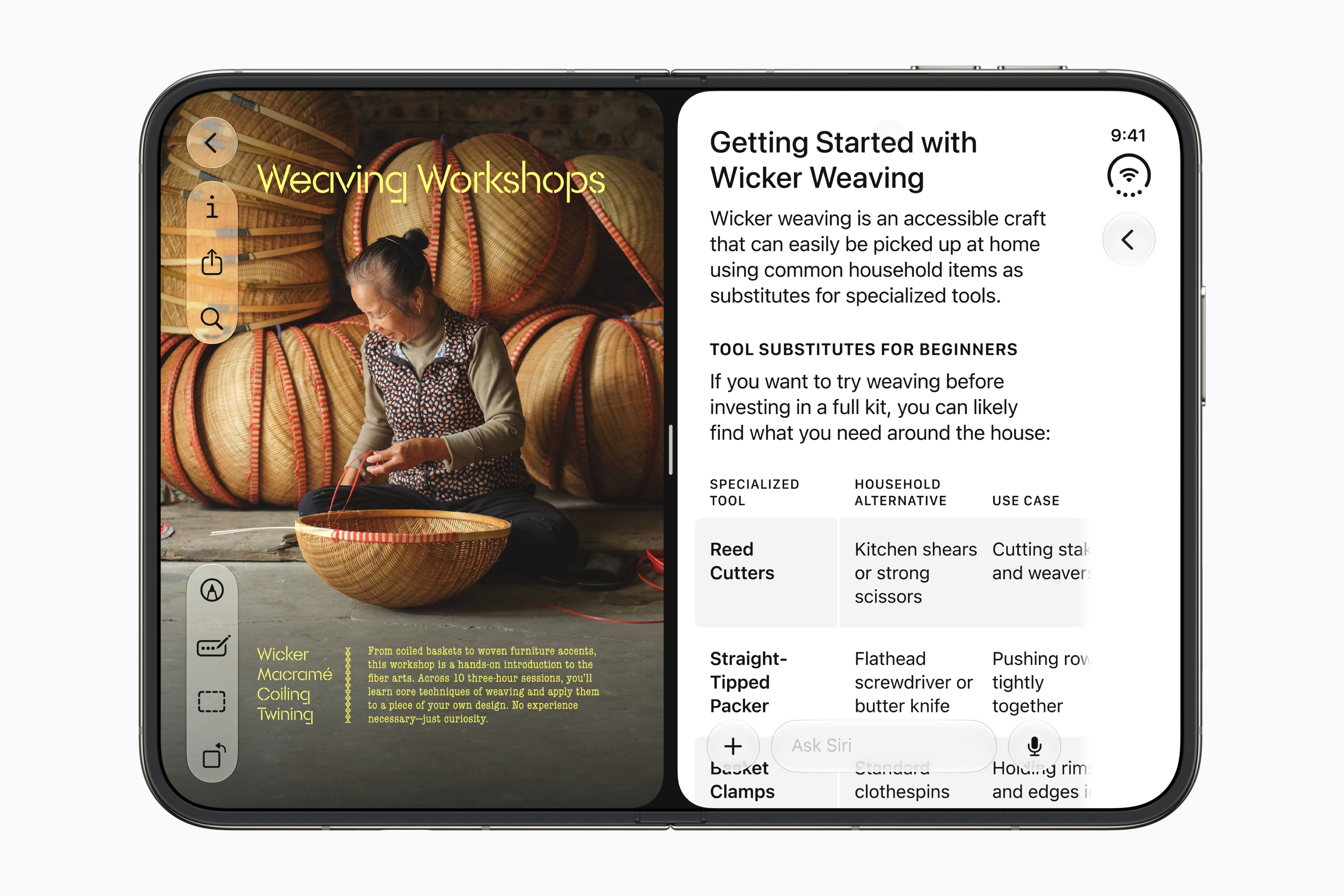
iOS 27.1 gives Duo two apps running side by side, two windows of the same app, saved app pairs you can reopen instantly, a persistent dock, drag-and-drop between apps, and modes that react to the angle of the hinge. The strongest agreement across hands-ons concerns the transition between screens. The Verge, 9to5Mac, Gizmodo, and TechRadar all noticed Apple's gradual focus-and-blur handoff as the phone opens, and TechRadar tested it with both a game and Netflix. That animation may sound decorative, but it gives the user a clear sense that the same activity is expanding instead of one display abruptly replacing another.
The useful modes also survived contact with actual hands. TechRadar split Photos and Messages, then dragged a photo between them smoothly. AppleInsider found the half-fold keyboard comfortable for fast typing, saw video controls move to the lower half, and found an immediate use for saved app pairs. The Verge saw Netflix adapt to laptop-style placement and StandBy work in tent mode. The rough edges are smaller but real: TechRadar did not find StandBy immediately obvious, Gizmodo could not determine whether the right-side dock can move for left-handed use, and MacRumors confirmed that side-by-side panes stay at equal widths.
That leads to a more nuanced comparison with Samsung. Duo's software already appears polished in the transitions and modes Apple chose to support. It also appears more restrictive. Apple's predictable two-pane layout may be easier to understand on day one, while Samsung's resizable two-way and three-way Split View gives experienced users more control. For an existing Apple owner, Duo offers a coherent first version with familiar apps, Apple Watch unlock, and Apple Pencil USB-C support later in 2026. What no event demo can establish is whether third-party apps use the 7.6-inch canvas intelligently or merely stretch phone layouts across it.
Apple's current multitasking implementation is less flexible than Samsung's. MacRumors confirmed that Duo's side-by-side apps split into equal halves rather than allowing freely adjustable widths. Samsung's Fold8 guidance documents resizable two-way and three-way Split View, so an owner can give one app more room than another. For most two-app tasks, an even split is genuinely fine. For anyone who wants one app to dominate the screen while a second sits in a narrow sidebar, this generation of iOS doesn't offer that yet. It's a reasonable first version, not the ceiling of what the software could eventually do.
Three different ownership propositions
iPhone Duo vs iPhone 18 Pro Max vs Galaxy Z Fold8
iPhone 18 Pro Max, starting at $1,299, is the mature, predictable choice: a dedicated telephoto lens, Apple's largest battery increase in an iPhone generation according to Apple, Face ID, and a conventional single-slab body that's been refined for years rather than months. It ships five weeks earlier than Duo, on September 18 rather than October 23, and it costs $700 less. For anyone who values camera range, familiar durability, and the lowest realistic risk, it's the stronger buy, full stop.
Galaxy Z Fold8 represents what years of foldable refinement can produce: a lighter build, an established hinge, and more flexible multitasking software that Samsung has iterated on across eight generations, including freely resizable split-screen panes that iOS 27.1 doesn't offer yet. It's a useful reference point for what a mature version of this category looks like. It is not a substitute for staying in Apple's ecosystem; anyone weighing it seriously against Duo needs to account for leaving iMessage, Apple's accessory lineup, Handoff, and iOS continuity behind, which is a real cost of its own that a spec comparison can't capture.
Duo serves the buyer who wants Apple's ecosystem and a book-style foldable at the same time. The $700 premium over Pro Max buys two distinct display modes, Apple's largest iPhone canvas in a short, wide folded footprint, and first access to Apple's hardware-software interpretation of the category. It also buys the enjoyment of a form factor that changes how the phone is held, viewed, and shared. It does not buy Apple's most versatile camera system, and iOS 27.1 does not yet match Samsung's window flexibility.
| Decision point | iPhone Duo | iPhone 18 Pro Max | Galaxy Z Fold8 |
|---|---|---|---|
| Form factor | Book-style foldable | Conventional slab | Book-style foldable |
| Main display | 7.6-inch folding OLED | 6.9-inch OLED | 7.6-inch folding AMOLED |
| Cover display | 5.4-inch OLED | Not applicable | 5.5-inch AMOLED |
| Weight | 254g | 249g | 201g |
| Rear telephoto | No dedicated lens | 48MP dedicated telephoto | No dedicated lens |
| Authentication | Touch ID | Face ID | Fingerprint sensor |
| Published durability rating | IP68, no fold-cycle rating published | IP68 | IP48 |
| Split-screen flexibility | Equal-width panes only | Not applicable | Freely resizable panes |
| Best for | iOS users who want both a compact phone and a fold-out workspace | iOS users prioritizing camera range and predictable battery | Buyers open to Android who want a lighter, more flexible foldable |
Prices are omitted for Galaxy Z Fold8 because Samsung's global announcement does not provide one universal U.S. price. iPhone 18 Pro Max figures come from Apple's iPhone 18 Pro specification page. All figures are published specifications, not independently measured results.
Does arriving late reduce first-generation risk
What we know about iPhone Duo reliability before release
Samsung has already iterated through eight Fold generations, and the flexible-display supply chain has had years to improve hinges, adhesives, panel layers, and protective materials. Apple enters with the benefit of that mature category rather than inventing the underlying technology in public. Its IP68 rating, more than 100 hinge components, support ribs, layered display construction, and claimed 40 percent stiffer custom polymer cover show a serious durability effort.
Direct handling adds a modest but worthwhile vote of confidence. The Verge called the folding mechanism smooth. TechRadar found the hinge solid and able to hold a range of angles. AppleInsider reported that the center of the open display felt firm rather than flexing under light pressure, and MacRumors described the thin body as sturdy. That is agreement about fit, hinge feel, and structural confidence in brand-new demo units. It is not evidence that the hinge will remain tight, the fold line will remain subtle, or the inner screen will survive years of grit, drops, heat, and repeated folding.
That said, plenty remains genuinely unproven, and it's worth being direct about what a buyer is actually accepting. Apple has not published a fold-cycle rating for the hinge or inner display, which is the specific number that would speak to long-term durability. No independent test has measured how the inner display resists scratching under daily use, how the hinge feels after a year of folding and unfolding dozens of times a day, what battery capacity looks like after normal aging, or what Apple charges to repair a cracked inner display or a failing hinge outside of AppleCare. Thermal behavior under sustained load in the field, rather than a controlled demo room, is also unverified. None of these are reasons to assume Duo will fail. They're reasons no one outside Apple currently knows how it holds up, and a buyer spending $1,999 should go in clear-eyed about that gap rather than assuming a big company name closes it automatically.
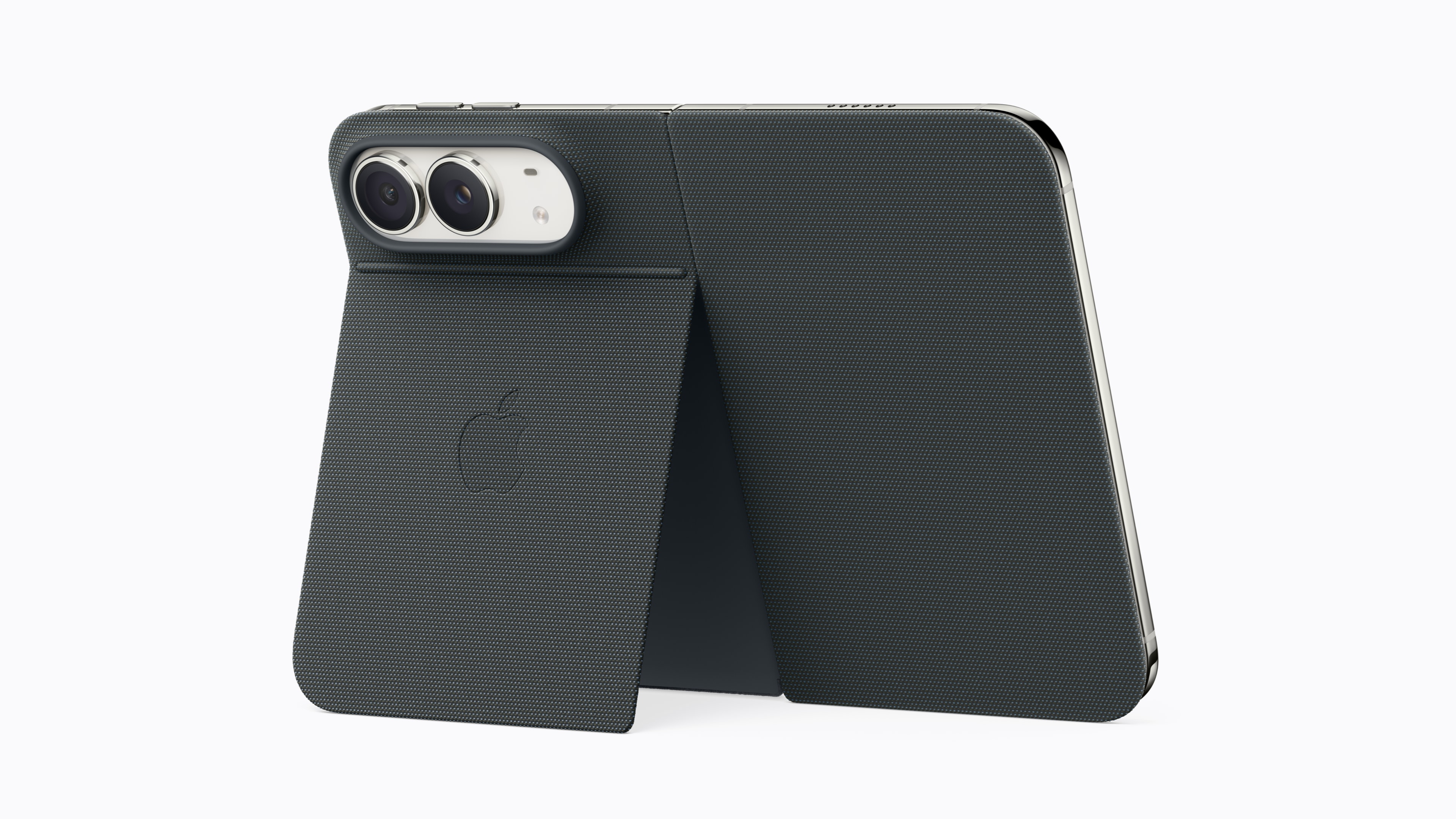
Protection also changes the real purchase price. Apple's fitted case costs $79 and its folio with kickstand costs $129. Buyers who plan to protect a $1,999 foldable should budget for the accessory and AppleCare decision from the beginning rather than treating them as incidental add-ons.
Who should actually buy this
Is the iPhone Duo worth it? Five buyers, five different answers
The committed Apple foldable enthusiast
If you've specifically wanted Apple to make a foldable, can afford $1,999 without financial strain, and are comfortable being an early owner of new hardware, preordering is a reasonable decision. You're buying into Apple's first take on a category it clearly spent years preparing for, and the enthusiasm itself is a legitimate reason to want it, not something that needs to be justified by a productivity spreadsheet.
The mobile reader, traveler, or multitasker
Duo has a persuasive case for people who read long documents, compare photos or products, navigate while messaging, watch video while traveling, or regularly keep two apps in view. The 7.6-inch display brings small-tablet space into the phone already being carried. Frequent inner-screen use will consume more power than relying on the outer display, so battery testing matters, but using the larger screen often is not misuse. It is the point of buying Duo.
The camera-first buyer
If distant subjects, wildlife, sports, or anything that benefits from optical zoom matters to your photography, iPhone 18 Pro Max's dedicated telephoto lens is the better tool, and it costs $700 less. Duo's fold-enabled tricks, rear-camera selfies and self-supported shooting, are genuinely useful but don't replace zoom range.
The cautious long-term owner
If you keep phones for years and want proven durability before committing this much money, wait for independent fold-cycle data, real-world battery results, and repair pricing to surface after launch. Nothing about Duo's specs disqualifies it; the gap is simply that no one outside Apple has lived with one long enough to answer these questions yet.
The foldable veteran
If you've already owned a Galaxy Fold and value flexible, freely resizable multitasking panes and a lighter chassis, Samsung's software remains more mature on that specific point. Moving to Duo means trading that flexibility for Apple's ecosystem, tighter hardware-software integration, and a different set of trade-offs, not a straightforward upgrade.
iPhone Duo FAQ
Price, preorder, dual SIM, reliability, and review status
Is the iPhone Duo worth it?
For an Apple user who specifically wants a compact phone that opens into a 7.6-inch workspace, yes, the iPhone Duo can be worth its $1,999 starting price. The strongest case is not that it wins every specification. It is that no other phone combines this form factor with iOS and Apple's ecosystem. Camera-first buyers should favor iPhone 18 Pro Max, while reliability-first buyers should wait for longer-term evidence.
How much does the iPhone Duo cost?
The iPhone Duo price starts at $1,999 in the United States with 256GB of storage. Apple also offers 512GB, 1TB, and 2TB versions. A protective case starts at $79, and Apple's folio with kickstand costs $129, so those accessories should be included in a realistic purchase budget.
When can I preorder the iPhone Duo?
iPhone Duo preorders open at 5 a.m. Pacific Time on Friday, October 16, 2026, in the United States and more than 70 other countries and regions.
What is the iPhone Duo release date?
The iPhone Duo release date is Friday, October 23, 2026, in the United States and more than 70 other markets. Apple says availability expands to 28 additional countries and regions on October 30.
Does Apple iPhone Duo support dual SIM?
Yes. Apple's iPhone Duo supports dual SIM through eSIM rather than through separate dual-SIM models. Two eSIMs can remain active at once, and the phone can store eight or more eSIM profiles. Apple says iPhone Duo is not compatible with physical SIM cards; carrier support and eSIM availability can vary by market.
Is the iPhone Duo reliable?
Long-term iPhone Duo reliability is unknown before release. Apple publishes an IP68 rating and describes a reinforced hinge, support ribs, and a stiffer inner-display cover, which are promising design choices. Apple has not published a fold-cycle rating, however, and no independent source has yet accumulated enough use to establish hinge, screen, battery, or repair reliability.
Is this an iPhone Duo review?
No. This is a pre-release analysis of confirmed specifications, pricing, and attributed hands-on observations. Pickori has not tested or scored iPhone Duo. We will update this page as sustained battery, durability, camera, and performance testing becomes available rather than presenting an announcement-day impression as a finished review.
Sources and research notes
Primary specifications and independent observations
- Apple's iPhone Duo announcement for launch details, pricing, and manufacturer claims.
- Apple's iPhone Duo technical specifications for dimensions, weight, displays, cameras, battery claims, connectivity, and IP rating.
- Apple's iPhone 18 Pro technical specifications for the Pro Max comparison.
- The Verge's iPhone Duo hands-on for observations about glare, hinge feel, crease tactility, display transitions, and folded modes.
- MacRumors' iPhone Duo hands-on for observations about build quality, crease visibility, and split-screen behavior.
- Gizmodo's iPhone Duo hands-on for observations about thickness, the matte display, crease visibility, camera controls, and the limits of event-floor camera judgment.
- 9to5Mac's iPhone Duo hands-on for observations about the crease, hinge design, and display transition.
- AppleInsider's iPhone Duo hands-on for observations about chassis rigidity, camera workflows, the half-fold keyboard, and saved app pairs.
- The Wall Street Journal's iPhone Duo hands-on for its first impression of the inner display as a possible iPad mini substitute.
- Tom's Guide's iPhone Duo hands-on for observations about one-handed use and inner-display video playback.
- TechRadar's iPhone Duo hands-on for multitasking and StandBy observations.
- Android Central's iPhone Duo hands-on for a cross-platform perspective on weight and software.
- Samsung's Galaxy Z Fold8 announcement for the foldable comparison.
- Samsung's Galaxy Z Fold8 multitasking guide for its resizable Split View behavior.
Independent sources above are direct first impressions from journalists who physically handled iPhone Duo at Apple's event, not full reviews or controlled tests. Apple photography is from the official iPhone Duo Newsroom media download and is used only for direct editorial coverage. Image credit: Apple. Pickori has not tested iPhone Duo, and this article contains no affiliate links.