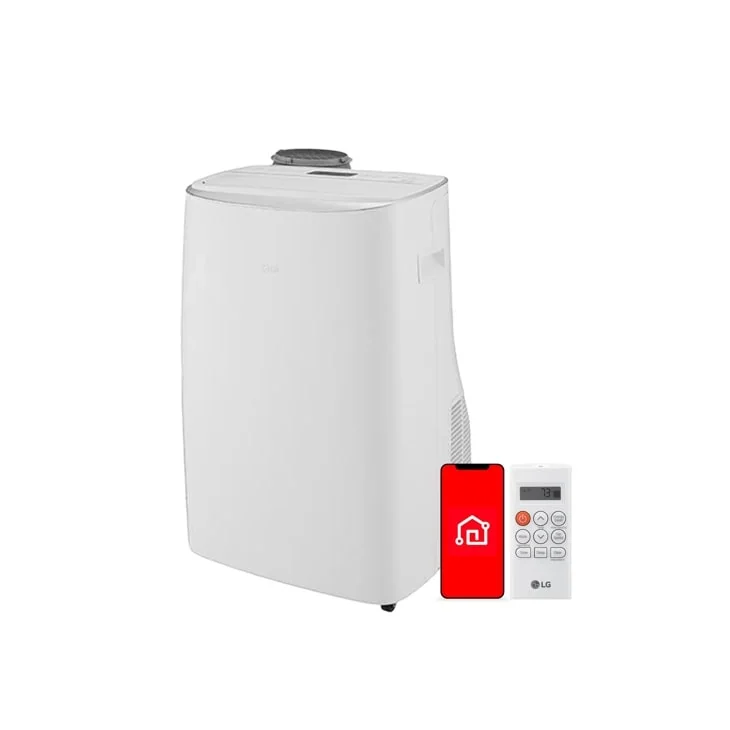
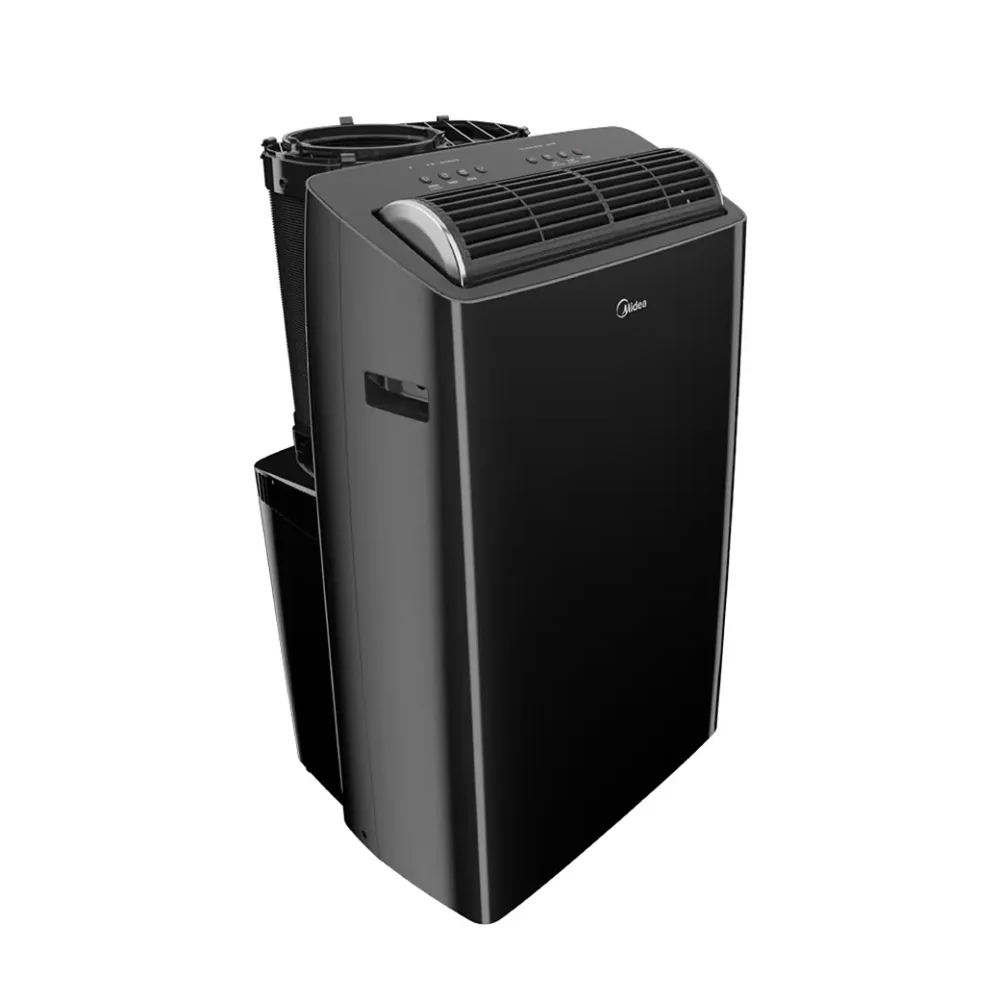
Start with the basics you can verify in 5 minutes (mode, setpoint, fan, filter)
Confirm the unit is in Cool mode, not Fan, Dry (dehumidify), or Heat (on combo units). Then set the temperature well below the room temperature so the compressor has a clear reason to run. If the setpoint is close to the room temperature, many units will mostly blow air and only cool intermittently, which can look like a failure.
Next, check the air filter. A dirty filter reduces airflow across the evaporator coil (the cold coil inside the unit). Low airflow means less heat gets absorbed, and it can also lead to ice buildup that blocks airflow even more. Clean or rinse the filter as the manual allows, let it dry fully, and reinstall it. Also confirm the fan speed is not set so low that the room never mixes and the unit "thinks" it has cooled the area near its sensor.
Airflow and heat recirculation problems (blocked intake, short-cycling, hot exhaust blowback)
Portable ACs need breathing room. If the intake vents are too close to a wall, curtains, or furniture, the unit can overheat on the condenser side and reduce cooling. Give the unit space on all vented sides, and keep soft items from being sucked against the intake. If the unit is in a tight corner, it may run loudly but move less air than you expect.
Watch for short-cycling, which is when the compressor starts and stops frequently. This can happen if the unit's temperature sensor is being fooled by a cold draft right at the front of the unit, or by direct sun hitting the unit body. Another common issue is hot exhaust blowback: if the exhaust outlet is too close to an open window gap or the hose connection is loose, some of that hot air can re-enter the room and get pulled right back into the unit, making cooling feel weak and uneven.
Hose and room heat load issues (hose length, kinks, sun, appliances, open doors)
The exhaust hose is a heat source. If it is extra long, kinked, crushed behind furniture, or sagging with deep dips, the unit has to push harder to move hot air out. That can reduce effective cooling and can trigger protective behavior. Keep the hose as short and straight as possible, avoid sharp bends, and make sure the hose is fully extended if the design expects that. A partially collapsed hose can quietly cut performance.
Also consider what changed in the room. Direct afternoon sun, a running oven, a gaming PC, a dehumidifier, or even a few extra people can add enough heat that the unit never reaches the setpoint. Open doors are a big one. A portable AC is usually meant to cool one defined space. If you are trying to cool a room that is open to a warm hallway, the unit may run constantly and still feel like it is losing ground.
Signs it is not a setup problem (ice buildup, repeated error codes, compressor not starting)
If you see ice on the unit's internal coil area (often visible behind the filter), stop cooling mode and run Fan mode to thaw it. Ice usually points to low airflow, very low setpoints, or a sensor issue, but repeated icing after cleaning the filter and improving airflow can indicate a deeper problem. Do not chip ice off with tools. That can damage the coil.
Pay attention to repeated error codes and what the compressor is doing. The compressor is the part that makes cooling possible, and it sounds different from the fan. If the fan runs but you never hear the compressor engage, or it tries and stops repeatedly, the unit may be shutting down to protect itself or may have an electrical or refrigeration fault. If basic airflow and hose checks do not change anything, document the code, the conditions, and the timing, then move to warranty or service options.
What this guide helps you understand
Most "runs but won't cool" complaints come down to three things: the unit is not actually calling for cooling, airflow is restricted or recirculating heat, or the hose and room conditions are overwhelming the unit. If you confirm mode and setpoint, restore airflow, and straighten the hose and it still will not cool, treat repeated icing or error codes as a sign to stop guessing and escalate.
Verify Cool mode, set the temperature at least several degrees below room temperature, clean the filter, and confirm the exhaust hose is not kinked or crushed.