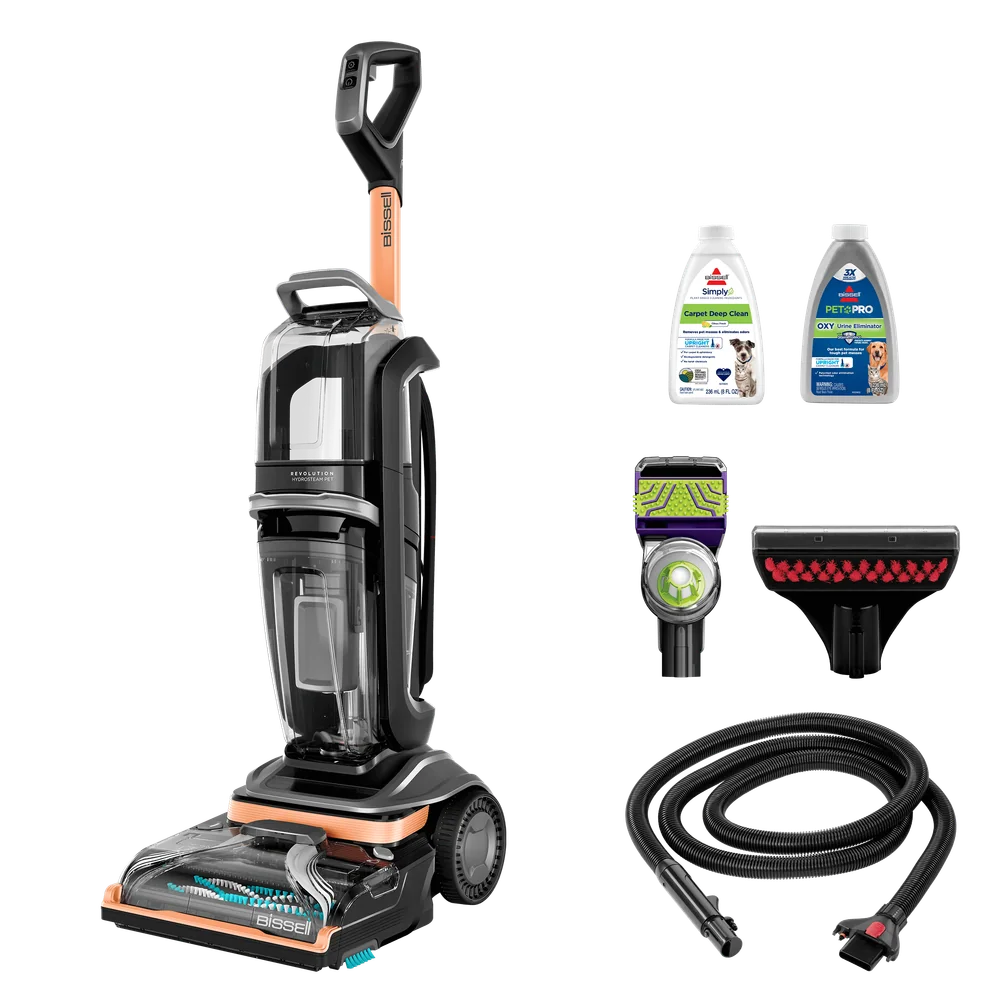
Weak Carpet Cleaner Suction Usually Has a Simple Cause
Published
Restore water pickup by checking the recovery path, cleaning removable parts, and using slower extraction passes before assuming the machine has failed.
Reading time: 8 minutesBest for: Carpet cleaner owners dealing with wet carpet or poor dirty-water pickup
What weak suction looks like during carpet cleaning
Poor recovery is different from a cleaner that simply has a small tank. With weak suction, the machine may lay down solution but leave visible water behind, make a higher-pitched air sound, or collect much less dirty water than expected. The nozzle may not pull tightly against the carpet, and the carpet can feel saturated after one or two passes. If this happens only with a hose tool, the problem may be in the hose, tool, or its connection rather than the main floor nozzle.
Stop cleaning when the carpet is becoming wetter instead of drier. Continuing to add solution can push moisture deeper into the backing and padding, which extends drying time and can leave detergent residue. Empty the dirty-water tank even if it does not look full, then inspect the recovery system before resuming. A full tank, a raised float, or a lid that is slightly out of place can reduce pickup quickly.
Check the dirty-water tank, lid, float, and seals first
Remove the dirty-water tank and empty it completely. Rinse away lint, hair, foam, and sediment from the tank, lid, and intake opening. Check that the tank is seated squarely when you reinstall it. Many cleaners rely on the tank and lid to form an airtight path. If either part is tilted, a latch is not fully engaged, or a gasket is folded, the motor may pull air through that gap instead of pulling water through the nozzle.
Find the float, which is the small part that rises as the dirty-water tank fills and shuts off suction to prevent overflow. Rinse it so it can move freely, and make sure it is not held up by debris or dried residue. Inspect rubber seals and gaskets for dirt, flattening, tears, or missing sections. Wipe them clean with a damp cloth. A seal that remains loose, cracked, or distorted after cleaning may need replacement.
Clear clogs from the nozzle, hose, and tool without forcing debris deeper
Remove the floor nozzle if the cleaner is designed for tool-free removal. Flush it with warm water and look through the clear channel for hair, carpet fibers, pet fur, or clumps of dried soil. Clean the nozzle opening with a soft brush or cloth. Do not drive a sharp object into narrow channels, because a puncture or scratch can create an air leak that weakens recovery.
For a hose-based cleaner or attachment, disconnect the hose at both ends if possible and inspect it in good light. A blockage often collects at bends, near the hand tool, or where the hose meets the tank. Rinse the hose with water and gently flex it to loosen debris. If water will not pass through, use only a flexible, blunt cleaning tool that will not split the hose. Reconnect each fitting firmly before checking suction again.
Clean filters, intake areas, and brush housing that can restrict airflow
Some carpet cleaners use a screen, filter, or lint trap near the dirty-water tank or motor intake. Remove and rinse only the parts identified as washable in the machine instructions. Let washable filters dry fully before reinstalling them unless the instructions specifically say otherwise. A damp, clogged filter can restrict airflow, while a missing filter can allow debris into areas that are harder to clean and repair.
Turn the cleaner over only as directed and remove hair, thread, and fibers wrapped around the brush roll or gathered near the intake. Brush debris does not always directly block suction, but it can interfere with the nozzle's contact with carpet and reduce cleaning performance. Check that the brush roll turns freely and that the nozzle is fully reattached. If the brush is jammed, clear it before running the machine again.
What this guide helps you understand
When a carpet cleaner leaves carpet wet, begin with the dirty-water tank and its seals, then clear the nozzle and hose, clean intake parts, and use slow trigger-free dry passes. Most recovery problems come from an interrupted air path, not from the carpet itself.
Unplug the cleaner before removing tanks, nozzles, hoses, filters, or brush-area debris.
Empty and rinse the dirty-water tank before diagnosing suction.
Check that every tank, lid, hose, nozzle, and gasket is fully seated before use.
Use the cleaner's instructions to identify washable filters and removable parts.
Technique notes
Foam from excess detergent can raise the float early and make a tank seem full before it contains much water.
If suction is weak only with an upholstery or stair tool, inspect that tool and hose connection before disassembling the main floor nozzle.
Safety note: Keep electrical connections dry, and do not operate a carpet cleaner with a cracked tank, damaged cord, leaking electrical area, or overheating motor.